Environment
A laboratory research study evaluates several different chemical injection concepts for the removal of elemental mercury from multiphase flow.

Experts and industry leaders gathered in The Woodlands, Texas, recently to sift through the challenges of carbon capture, utilization, and storage. The puzzle is coming together, but some critical pieces are still needed before the results look like the picture on the box.

This article from the SPE Sustainable Development Technical Section (SDTS) explores how the next phase of methane performance will be defined less by pledges and more by measurement, response, and verifiable results.
-
 Although energy efficiency has long been mentioned as a means toward achieving Paris Agreement goals, the “more exciting” announcements about carbon capture and storage grabbed attention. Will concerns about energy security and high prices help bring it to the forefront?
 -
A study of a limited number of decommissioned oil and gas wells in England found no evidence of methane leaks, including four wells found to be leaking in an earlier study.
-
The Mammoth project follows the company’s proven Orca model but will scale up the CO2 capture capacity to 36,000 tons per year.
-
The deal with Manulife gives Oxy unit 1PointFive access to 27,000 acres of subsurface pore space for carbon sequestration.
-
The Texas Railroad Commission has approved its plan for fiscal year 2023, outlining priorities and highlighting enforcement efforts.
-
The House Science Committee calls for tougher surveillance amid evidence of super-emitters and undetected leaks in the vast Permian Basin.
-
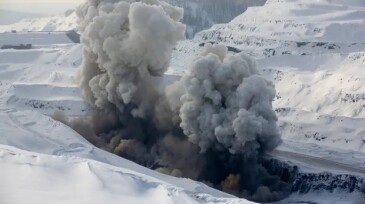
About 90 tonnes of methane an hour were released from the Raspadskaya coal mine in January, data from the GHGSat global satellite shows.
-
Chevron, Talos, and Carbonvert have finished the documentation and closed the joint venture for the carbon capture and storage project on the Gulf of Mexico coast.
-
The suite of tools includes a digital platform for sharing emissions data, an agreed set of definitions that nails down what different terms mean, a single set of metadata definitions, and an API through which users can access data. When used together, these tools provide an integrated perspective on what emissions are coming from where.
-
A trio of new satellites that use infrared sensor technology are now flying around the Earth at a speed faster than 4 miles per second.
![Hero_England decomm study Map[2].jpg](https://assets.spe.org/dims4/default/1340410/2147483647/strip/true/crop/1024x572+0+111/resize/365x204!/quality/90/?url=http%3A%2F%2Fspe-brightspot.s3.us-east-2.amazonaws.com%2Ff1%2Fa7%2Faf022d414b7fa6e8095a8c91b91e%2Fhero-england-decomm-study-map2.jpg)