Environment
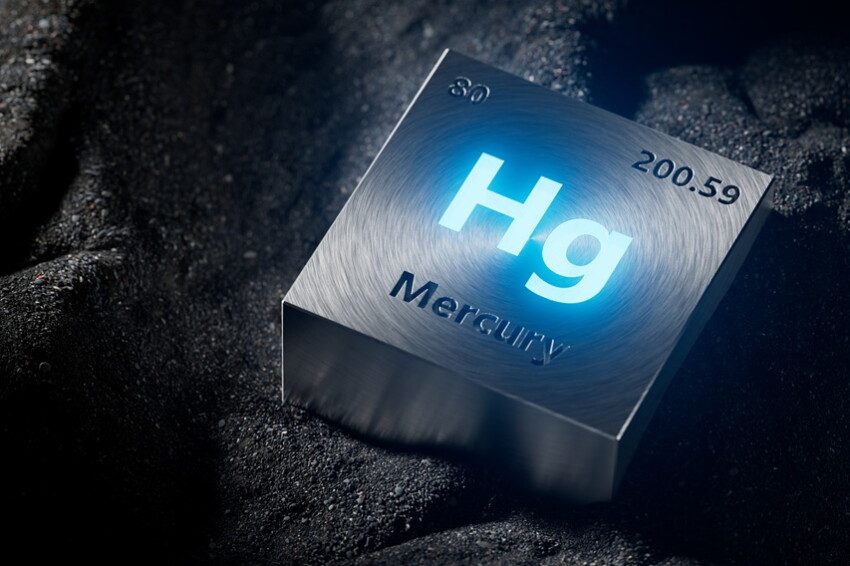
A laboratory research study evaluates several different chemical injection concepts for the removal of elemental mercury from multiphase flow.

Experts and industry leaders gathered in The Woodlands, Texas, recently to sift through the challenges of carbon capture, utilization, and storage. The puzzle is coming together, but some critical pieces are still needed before the results look like the picture on the box.

This article from the SPE Sustainable Development Technical Section (SDTS) explores how the next phase of methane performance will be defined less by pledges and more by measurement, response, and verifiable results.
-
 This paper presents the challenges and results of performing offshore drilling-waste management in a highly environmentally sensitive marine environment and UNESCO World Biosphere Reserve offshore Abu Dhabi. The solution required both thermal-treatment technology and cuttings-reinjection technology and became the world’s first single-source operation for this equipmen…
 -
Offshore Gulf of Mexico is becoming the destination of choice for international oil companies seeking new, low-carbon acreage to explore and develop.
-
The US government is looking to size up efforts related to leak detection and repair practices.
-
For more than a century, the oil industry magnificently improved the lives and health of humankind. Those gains help support a moral case to expand some use of fossil fuels but not to release them. Now it is time to lean in to solving the last step of our direct emissions.
-
The sheer expanse of the deep sea and the technological challenges of working in an extreme environment make these depths difficult to access and study. Scientists know more about the surface of the moon than the deep seafloor. The Monterey Bay Aquarium Research Institute is leveraging advancements in robotic technologies to address this disparity.
-
The debate over whether to again allow briny waste water pumped from conventional oil and gas wells to be spread on Pennsylvania’s dirt roads has become as salty and charged as the material itself.
-
The survey was part of a project led by the University of Aberdeen, looking at the effects of decommissioning oil and gas structures on marine ecosystems.
-
The Oil Sands Pathways to Net Zero initiative is an alliance between Canada’s five largest oil sands producers. The group has announced additional details of its plan to achieve the goal of net zero greenhouse-gas emissions from oil sands operations.
-
Technip Energies and Shell Catalysts and Technologies announced that their jointly developed improvements on the Cansolv carbon capture technology are being tested in a pilot plant campaign at Fortum Oslo Varme’s waste-to-energy plant.
-
A report from the Global CCS Institute says North America’s continued front-runner status in carbon capture and storage (CCS) deployment is largely attributable to tax credits, stronger climate commitments, and an anticipated rise in demand for low-carbon energy products.