Environment
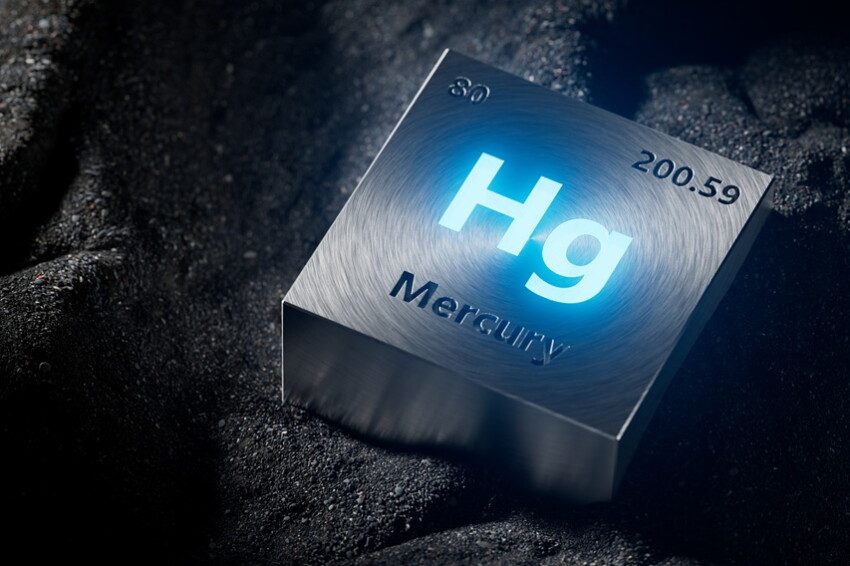
A laboratory research study evaluates several different chemical injection concepts for the removal of elemental mercury from multiphase flow.

Experts and industry leaders gathered in The Woodlands, Texas, recently to sift through the challenges of carbon capture, utilization, and storage. The puzzle is coming together, but some critical pieces are still needed before the results look like the picture on the box.

This article from the SPE Sustainable Development Technical Section (SDTS) explores how the next phase of methane performance will be defined less by pledges and more by measurement, response, and verifiable results.
-
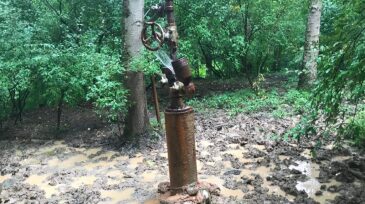
 The US government has made more than $1 billion available to qualified states. The program is part of the recently passed infrastructure law.
 -
The facility will be a commercial-scale CO2 sequestration hub in the DJ Basin.
-
The new 165-MW facility uses flare gas from the adjacent Sarqala field to generate power for local use.
-
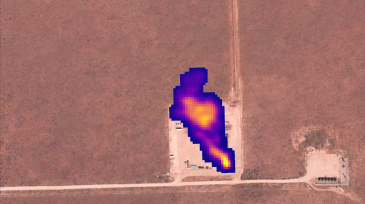
EDF and Carbon Mapper find more than two dozen facilities producing the same near-term climate pollution as about 500,000 passenger vehicles.
-
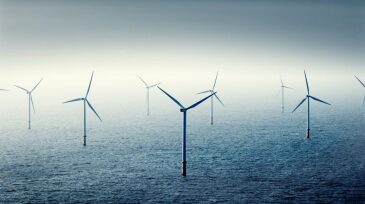
Subsidies lapse while others take hold in a bid to bolster offshore wind energy capacity around the globe.
-
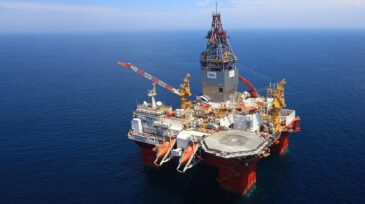
Equinor will use the semisubmersible rig Transocean Enabler, which is already under contract, for the work planned for later this year.
-
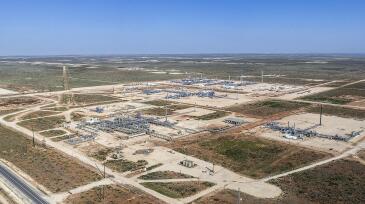
Gas processor Lucid Energy is moving forward with a plan to inject a mix of carbon dioxide and hydrogen sulfide deep below New Mexico’s portion of the Permian Basin. The project is designed to keep injecting for 30 years.
-
The European Commission is expected to allow investments flowing into natural gas and nuclear energy projects to be considered as “green” investments, assuming certain criteria are met. Germany and France, however, differ in their approaches to renewables. While Germany has abandoned nuclear power in favor of natural gas, France continues to rely on nuclear.
-
Moving the needle with the urgency required to deliver on the Global Methane Pledge announced at COP26 requires us to “lean in” to cut methane emissions that are fully within our control across our operations.
-
While uncertainties remain for the coming year, there is also optimism for the upstream industry, a welcome prospect following two sharp downcycles in less than 6 years.