Environment
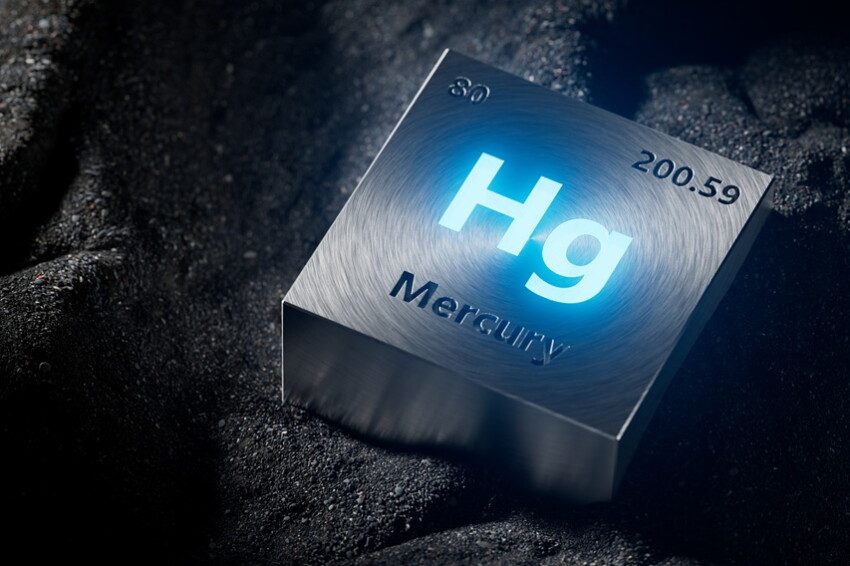
A laboratory research study evaluates several different chemical injection concepts for the removal of elemental mercury from multiphase flow.

Experts and industry leaders gathered in The Woodlands, Texas, recently to sift through the challenges of carbon capture, utilization, and storage. The puzzle is coming together, but some critical pieces are still needed before the results look like the picture on the box.

This article from the SPE Sustainable Development Technical Section (SDTS) explores how the next phase of methane performance will be defined less by pledges and more by measurement, response, and verifiable results.
-
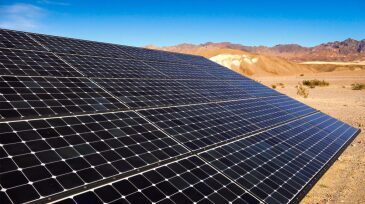
 Despite global supply chain challenges and component shortages resulting in elevated system costs in 2021, PV installations remained resilient.
 -
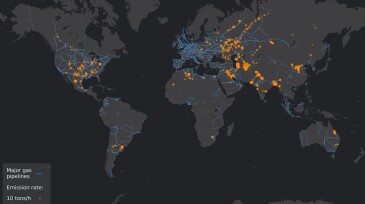
The agency’s new Global Methane Tracker analysis reports that methane emissions from the energy sector are 70% higher than official figures.
-
The companies will leverage each other’s experience and assets to offer full-cycle water-handling services in West Texas.
-
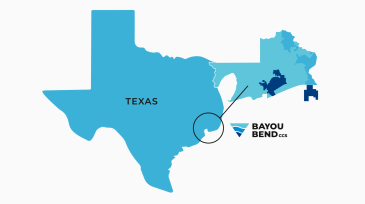
The new project will use EnLink’s existing pipeline infrastructure and Talos’ newly acquired 26,000-acre sequestration area.
-
The new guidance provides oil and gas companies, governments, and regulators with a practical framework to end flaring and use the gas as an energy resource.
-
Denbury gains exclusive rights to develop the site on 75,000 acres near Mobile, Alabama.
-
Thousands of satellite images were scrutinized by monitoring company Kayrros to identify ultra-emitters of methane, greenhouse-gas sources that cannot be detected by terrestrial monitors. Up to 150 methane plumes a month were seen, some spreading for hundreds of kilometers.
-
The Los Angeles City Council voted to ban new oil and gas wells in the country’s second most populous city and phase out existing wells over a period of 5 years.
-
The study assessed the CO2 footprint and NO2 emissions for different drill-cuttings treatment alternatives. The values were then used to create an emissions calculator that can be applied to projects to clarify the actual potential for emissions reduction within the drilling-waste-management process.
-
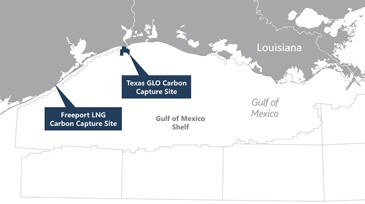
The Gulf of Mexico explorer is building off its offshore learnings to scoop up early carbon capture and sequestrations projects on the US Gulf Coast.