Environment
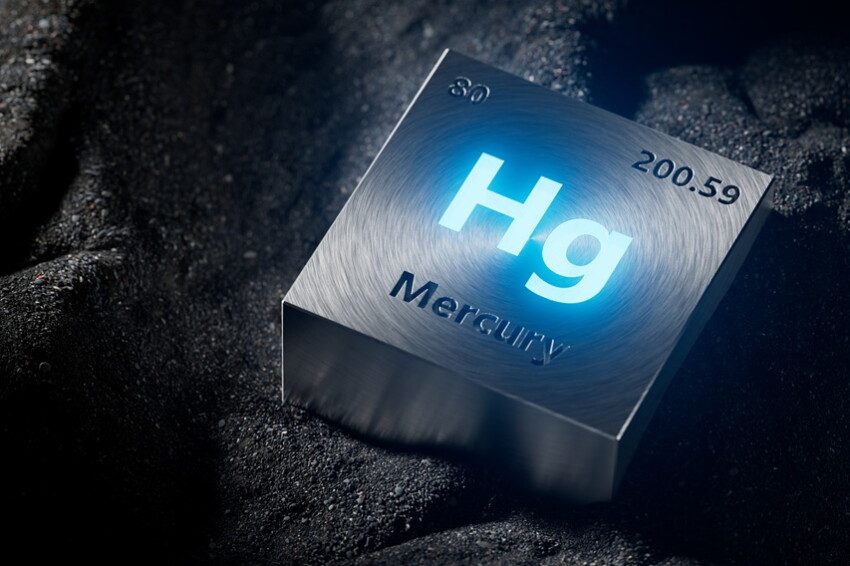
A laboratory research study evaluates several different chemical injection concepts for the removal of elemental mercury from multiphase flow.

Experts and industry leaders gathered in The Woodlands, Texas, recently to sift through the challenges of carbon capture, utilization, and storage. The puzzle is coming together, but some critical pieces are still needed before the results look like the picture on the box.

This article from the SPE Sustainable Development Technical Section (SDTS) explores how the next phase of methane performance will be defined less by pledges and more by measurement, response, and verifiable results.
-
 The DOI guidance explains how states can apply for the first $775 million in grant funding available this year under the Bipartisan Infrastructure Law to create jobs cleaning up polluted and unsafe orphaned oil and gas wellsites across the country.
 -
The company uses unmanned aerial vehicles to measure methane offshore.
-
Research conducted by Rystad Energy indicates that spending on carbon capture and storage will quadruple in the next 3 years.
-
Higher bonding amounts and an expanded orphaned well program will fund the cleanup of thousands of aging sites.
-
This marks the first time the Federal Energy Regulatory Commission (FERC) has formally incorporated environmental justice considerations into one of its policies, making environmental justice a matter to be considered systematically in FERC proceedings for certificates of public convenience and necessity.
-
From 2013 to 2018, the number of terrestrial and marine spills reported in Trinidad and Tobago trended upward. The country’s Ministry of Energy and Energy Industries assessed its National Oil Spill Contingency Plan (NOSCP) with the Readiness Evaluation Tool for Oil Spills and identified gaps in national legislation, risk management, logistics, training and exercises, …
-
A new generation of detectors will be many times better at tracking discharges of the dangerous greenhouse gas.
-
The two companies will work to retrofit nonproducing wells for geothermal production and scale GreenFire Energy’s closed-loop advanced geothermal systems.
-
The paper presents the challenges faced and overcome while drilling and testing a high-pressure/high-temperature sour-gas well offshore in an environmentally sensitive environment.
-
The two companies will explore carbon capture solutions of various sizes over an initial 9-month evaluation period.