Field/project development

Since the start of the Ukraine war, Norway has replaced Russia as the top gas supplier to the EU and Britain by maximizing its pipeline capacity and LNG volumes through its interests in export facilities in Norway and the US, as well as regasification in Europe.
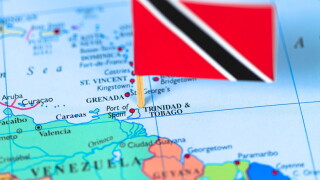
While discussions on the commercial terms for gas sales continue, the release of the jackup rig intended to drill production wells calls into question Shell’s plans for first gas in 2027.

As Egypt’s largest oil and gas investor, Eni is ramping up its 2026–2027 drilling campaign with new investments cross the Mediterranean offshore, Nile Delta, Western Desert, and offshore Sinai to strengthen the country’s role as a regional gas and LNG export hub.
-
 The oilfield-development plan (ODP) for a shale gas field at the southern edge of the Sichuan Basin in China started in early 2014.
 -
The industry is evolving to a more factual approach to profitability, with emphasis in modeling the long-term scenarios with detail. And this applies for developments in both mature and new fields.
-
Husky Energy awarded the EPCI contract for its $1.6-billion expansion project, West White Rose, to TechnipFMC. It includes the supply and installation of subsea equipment.
-
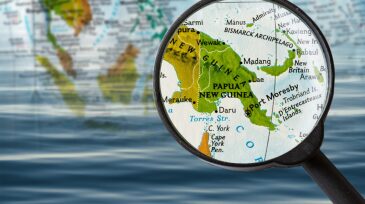
Baker Hughes, a GE company, agreed to provide services and equipment for Twinza’s Pasca A field development, Papua New Guinea’s first offshore gas field.
-
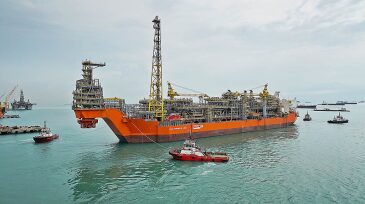
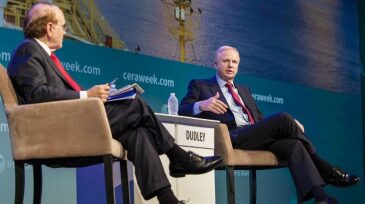
Ben Van Beurden, CEO of Royal Dutch Shell, said in his 2Q presentation that the Prelude FLNG is one of three projects under construction that, along with nine others recently brought on line, will deliver USD 10 billion in cash flow by 2018.
-
The number of delayed projects getting final investment approvals is rising, but the number not clearing that tough bar is rising as well.
-
Low oil prices have made the goal of this Petrobras project and its four partners to lower the break-even price of operating to USD 35/bbl.
-
Reliance Industries and BP are going forward with the expansion of a huge field off the east coast of India that is expected to fill 10% of the country’s energy needs.
-
Companies are rethinking offshore developments and in a very tough market are finding innovative ways of bringing some projects forward.
-
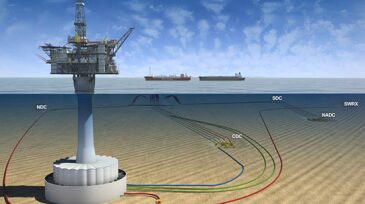
This paper reviews clusters of information that will be termed “building blocks” for deepwater-field-development planning, discussing how they are currently used and exploring more-affordable, but technically robust, alternatives.