Field/project development

Known as Arena, the collaboration aims to improve decision-making across increasingly complex reservoirs and growing volumes of subsurface data.

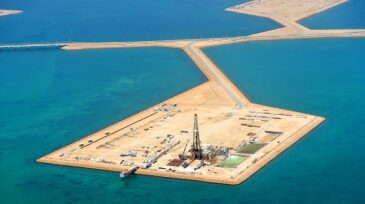
The Absheron gas field expansion will supply additional natural gas to Azerbaijan’s domestic market and support its export commitments to Turkey, allowing Baku to stay focused on meeting its gas export obligations to Europe.

With $9.6 billion in assets in the market, the focus is shifting from who is exiting Southeast Asia to who is positioning for entry through acquisition, according to Rystad Energy.
-
 Equinor marked the installation of the last pieces of the Johan Sverdrup field center with the heaviest lift ever performed offshore. Two final platform topsides, a bridge, and a flare stack were installed last week.
 -
Megaprojects have come to define many of the world’s new resource projects but they are also a testament to the awesome engineering capabilities of the oil and gas industry. Find out who took home this year’s honors.
-
The oil price downturn spawned a lull in deepwater enthusiasm, but better project execution and reduced project lead times have helped operators achieve lower costs and better returns. What does the landscape for deep water look like in the near term? Will operators get more involved?
-
The decision to ramp down production on the Aspen project comes months after the Alberta provincial government imposed production cuts to handle pipeline bottlenecks. Aspen is projected to produce 75,000 BOPD upon startup.
-
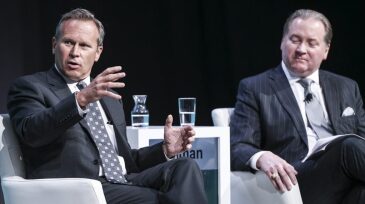
Encana CEO Doug Suttles assures that shale executives are acutely aware of the parent-child well challenge, and he doesn’t think it’s “a big threat” to the sector.
-
Woodside awarded Subsea 7 three contracts since December 2018, each for engineering studies and includes an option for Woodside to proceed to the execute phase with an engineering, procurement, construction, and installation (EPCI) contract.
-
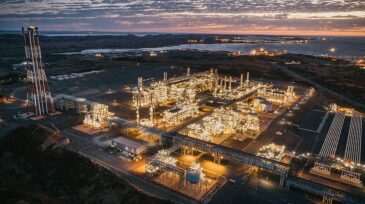
Commissioning is complete and Bechtel has turned over care, custody, and control of Train 1 to Cheniere, It's the first liquefaction train placed into operation in a greenfield facility in the lower 48 states.
-
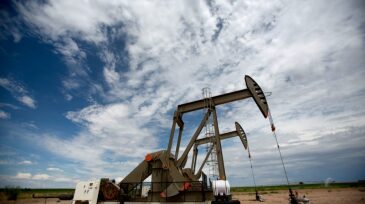
The technical challenges imposed by tight well spacing and fracture interactions have become a focal point of recent earnings calls between investors and the leaders of several shale producers. The picture of the future is becoming clearer, and there are fewer oil wells in it.
-
BP Trinidad and Tobago began first gas production from its Angelin development on 26 February.
-
Current production from the phase is 400 MMcf/D and expected to peak at 700 MMcf/D. A third phase also is slated to come on stream this year.