Flow assurance

Flow measurement touches almost every phase of oil and gas operations. Yet the industry still struggles to distinguish between what is directly measured, what is inferred, and what is estimated through models, correlations, or assumptions. That distinction matters. A measurement does not need to be perfect to be useful, but it must be fit for purpose.

This paper presents an engineering solution tailored for shallow-water oilfield development in Bohai Bay, addressing the confluence of spatial constraints, marginal economics, and environmental conditions that have rendered such reserves stranded.

This paper details the design and implementation of a subsea multiphase pump solution deployed in the Atlanta field designed to maximize reuse of existing subsea and topside equipment.
-
 This year’s Flow Assurance Technology Focus provides a trio of papers concerning the use of advanced techniques in detection, mitigation, and risk calculation
 -
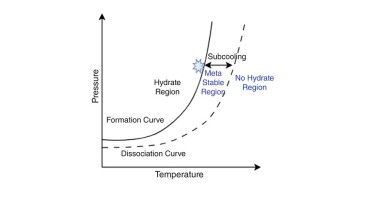
This study investigates hydrate formation in a water-alternating-gas injection well under water-to-gas and gas-to-water changeover operations.
-
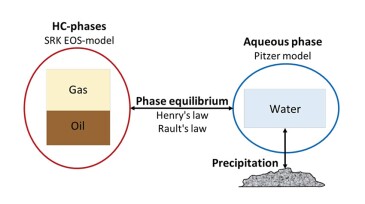
This paper describes the suite of cloud-based digital twin tools that the operator has developed and is integrating into its operations, providing online, real-time calculation of scale risk and deployed barrier health to manage risk on a well-by-well basis.
-
Machine learning and a decade of gas composition records helped the operator identify wells that were most likely to produce paraffins.
-
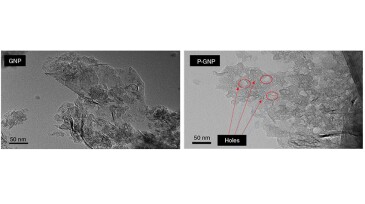
This study proposes graphene nanoplatelets as a preflush system to extend the lifetime of a conventional scale-inhibitor squeeze treatment.
-
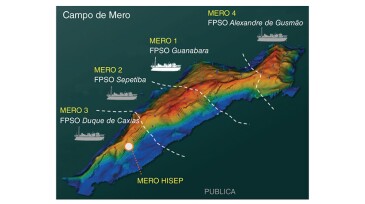
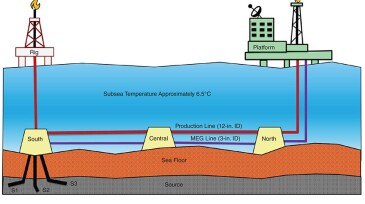
The paper details subsea system development for the Mero field and how operation of Mero’s early production system influenced the final configuration for all Mero projects.
-
This work chronicles a series of operational activities in hydrate-blockage detection, modeling assessment, and safe and successful plug-remediation efforts in a Norwegian gas condensate subsea asset.
-
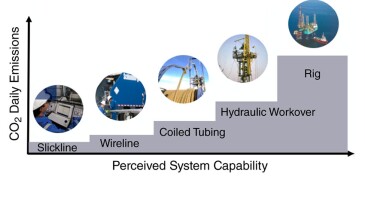
The authors challenge the traditional planning and execution of interventions, both from an operational and commercial standpoint, and examine where room exists for significant improvement in the industry
-
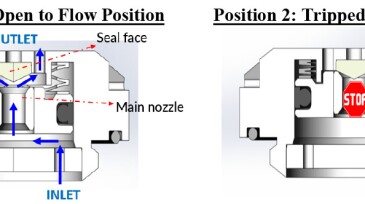
To avoid costly interventions like sidetracking or wellbore abandonment, a check-valve system was installed near the sandface within three injector wells which prevented the mobilization of fines from the reservoir into the wellbore by stopping backflow.
-
SponsoredSmart completions using autonomous outflow control devices significantly helped in improving reservoir management and increasing oil and gas field productivity by enhancing the injection wells' performance.