Fracturing/pressure pumping

Output is rising fast in the South American shale play and putting Argentina on a course to soon reach 1 million B/D.
This case study presents a procedure in which the operator compared production from wells with adjusted wettability to a control group, finding that the adjustments resulted in significant improvements in production and reductions in produced water.

This paper presents findings reinforcing the argument that acid fracturing is a strong alternative stimulation method to improve productivity in the Austin Chalk formation.
-
 The complete paper presents a strategy for selecting a surfactant/solvent package for parent wells. Oil recovery and associated water saturation in the microfluidic-based device, with or without surfactant, are quantified and reveal that the oil recovery is enhanced with surfactant.
 -
Bringing the Heat: Aramco Field Tests High-Temperature Chemistry To Slash Tight-Gas Completion CostsSaudi Aramco and university researchers are experimenting with a thermochemical fracturing fluid that aims to eliminate more than half of the pumping horsepower typically required to complete horizontal wells.
-
Unconventional producers around the world have been hamstrung by expensive and cumbersome options when it comes to obtaining reservoir data. Among the latest ways to break past these barriers is a new method developed by Canadian researchers and field tested in Australia’s unconventional frontier.
-
Schlumberger is getting rid of its struggling OneStim business unit 2 years after an acquisition that doubled its size. It will get 37% of the shares of Liberty Oilfield Services, which said it will be the second-largest player in that sector.
-
ExxonMobil is reluctant to join other big oil companies writing down the value of their reserves. It could chop its reserves by 20%, but it has not made a final decision.
-
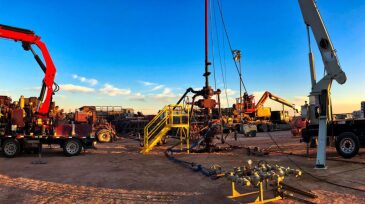
The forces of low oil prices and new efficiency trends are converging to remake the US pressure-pumping business into one that can complete more wells with less horsepower than ever. However, that might also mean service provider margins remain low for much of this new decade.
-
The investment group Wilks Brothers, now owners of Carbo Ceramics, has sought stakes in other OFS companies this year.
-
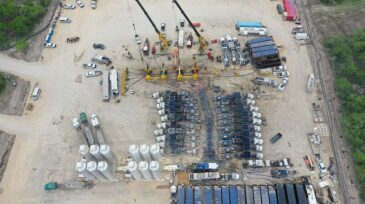
Why stimulate horizontal wells one by one when they can be done two at a time? The largest pressure-pumping company in the business says it might even be possible to complete three wells at once.
-
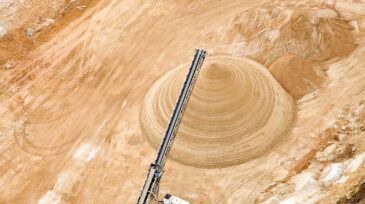
The contraction of the shale sector and its operations such as drilling and completions due to COVID-19 and the drop in oil price has sifted down to the frac sand suppliers.
-
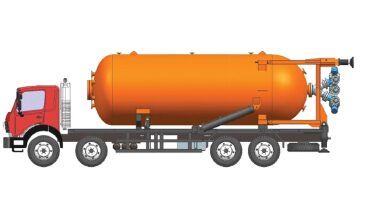
Carbon dioxide (CO2) waterless fracturing uses liquid CO2 to replace water as the fracturing fluid in reservoir stimulation. The continuity and reliability of the blender are key factors determining performance of the operation.