Health

With millions of wells having been drilled in the US since the beginning of the oil age, the land is pocked with old, unused wellbores. For most, repurposing is a pipe dream. Plugging is the best option.

This paper explores how artificial intelligence (AI), cognitive models, and integrated digital tools can transform readiness from periodic drills into a continuous, measurable capability.

This paper presents a competency-centered, data-driven approach implemented to strengthen control-room emergency-response capability through a cloud-hosted, scenario-based virtual plant simulator.
-
 Organizational resilience is an enterprise’s capability to respond rapidly to unforeseen challenges, even chaotic disruption. It is the ability to bounce back with speed and effectiveness. This paper describes how inherent and adaptive resilience were addressed in the response to Hurricane Harvey.
 -
Recommended Practice 54, "Occupational Safety and Health for Oil and Gas Well Drilling and Servicing Operations," provides procedures for promoting and maintaining safe and healthy working conditions for personnel in drilling and well servicing operations.
-
Workers in specific settings and activities are at increased risk for certain infectious diseases. When an infectious disease case occurs in a worker, investigators need to understand the mechanisms of disease propagation in the workplace.
-
Occupational diseases of employees can have a significant impact on workplace productivity and exact an unmeasurable emotional and financial toll on the workers and their families. It is important to design programs that will put the workplace on a journey toward prevention of diseases.
-
Companies waste countless resources measuring the wrong things, not measuring at all, or failing to keep "the most important thing, the most important thing."
-
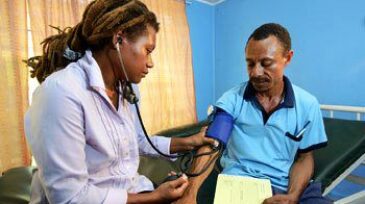
As part of the Papua New Guinea Liquefied Natural Gas project, a systematic longitudinal effort was made to collect a broad range of morbidity and mortality data for those communities directly adjacent to the project. These data were used to inform workplace disease-monitoring efforts.
-
Occupational exposure to vibration has been associated with an increased risk of musculoskeletal pain in the back, neck, hands, shoulders, and hips and also may contribute to the development of peripheral and cardiovascular disorders and gastrointestinal problems.
-
This study investigated the association between occupational noise exposure and the risk of elevated blood pressure and hypertension by stage in young adults.
-
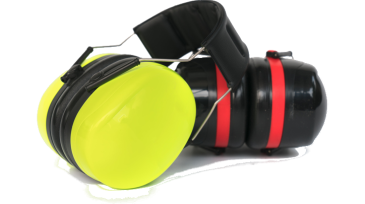
Upstream oil and gas operations are inherently loud environments. With the right equipment, training, and hearing-conservation program, these noisy operations need not pose a risk to workers’ hearing.
-
The National Institute for Occupational Safety and Health is collaborating with partners in industry, government, academia, and labor and with other stakeholders to achieve successful and sustainable outcomes to improve worker safety and health across the oil and gas extraction industry.