HSE & Sustainability
The department announced it plans to combine the Bureau of Offshore Energy Management and the Bureau of Safety and Environmental Enforcement into the Marine Minerals Administration.

While some idle wells may be brought back into production, many will be plugged and abandoned. This paper considers repurposing certain idle oil and gas wells by using their empty steel casing for the disposal of nuclear waste.
This article from the SPE Methane Technical Section looks at how, as methane regulation becomes more consequential in global oil and gas trade, operators increasingly need emissions data that can withstand commercial scrutiny, regulatory review, and independent verification.
-
 CEOs from some of the biggest oil and gas firms in the world kicked off SPE's Annual Technical Conference and Exhibition with a clear message on what the energy transition means to them and what's at stake.
 -
The Texas Methane and Flaring Coalition has released the first edition of the report, which it says will help lawmakers, media, and the general public understand the latest developments around methane and emissions.
-
A review of the properties of iron compounds and their impact in shale produced water treatment with an emphasis on their colloidal forms. A wide range of problems is associated with these compounds in produced water including emulsion stabilization, oil-coated solids, pad formation in separators, pipeline solids, and plugging of water disposal formations.
-
New case studies from this year's Offshore Europe were a reminder of how sustaining subsea reservoirs as they age often calls for determined and innovative engineers.
-
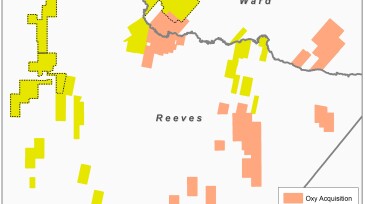
The pureplay water midstream company bought the produced water infrastructure associated with Colgate’s purchase of Occidental acreage in June.
-
Major US oil and gas producers have cut the volume of natural gas flared from oil and gas wells by 50% in a year as measured by energy intensity, according to a partnership organized by the industry's largest trade group.
-
In recent years, the oil and gas industry has faced increased regulatory pressure as governments around the world seek to reduce a variety of emissions. In addition to added regulatory pressure, oil and gas companies must also consider the effect emissions have on their field personnel.
-
In a perspective piece that appears in the journal Science, Elaine Hill, an economist in the University of Rochester Medical Center Department of Public Health Sciences, calls for tighter regulation and monitoring of unconventional oil and gas development as more evidence points to the negative health consequences of the practice.
-
Researchers form South Dakota Mines are studying microbial acceleration of carbon mineralization with extremophiles found at the Sanford Underground Research Facility.
-
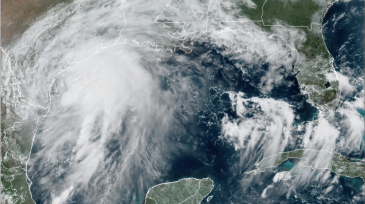
Shell moves nonessential personnel off its Perdido deepwater platform as a result of Tropical Storm Nicholas.