HSE & Sustainability
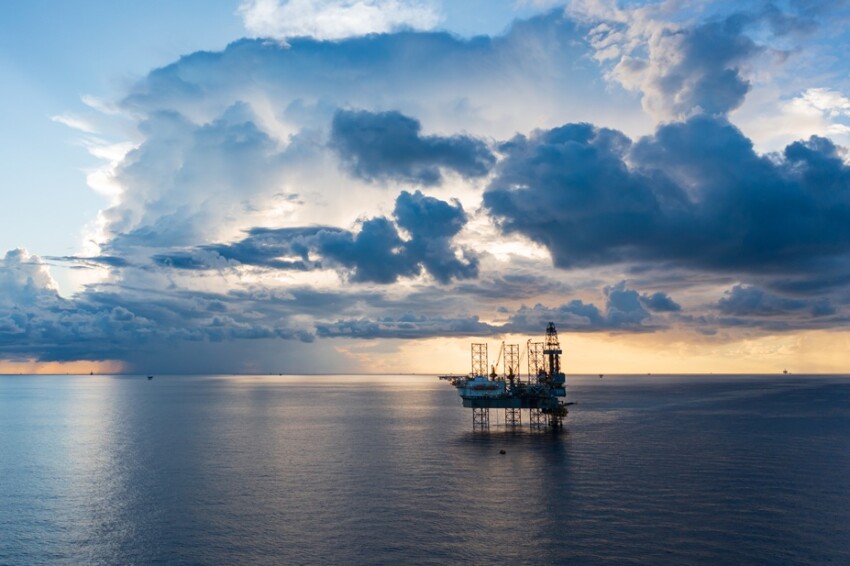
The department announced it plans to combine the Bureau of Offshore Energy Management and the Bureau of Safety and Environmental Enforcement into the Marine Minerals Administration.
While some idle wells may be brought back into production, many will be plugged and abandoned. This paper considers repurposing certain idle oil and gas wells by using their empty steel casing for the disposal of nuclear waste.
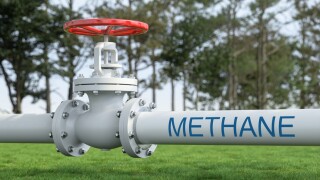
This article from the SPE Methane Technical Section looks at how, as methane regulation becomes more consequential in global oil and gas trade, operators increasingly need emissions data that can withstand commercial scrutiny, regulatory review, and independent verification.
-
 Nearly 150 workers have been evacuated or are due for evacuation from Shell's Shearwater project in the North Sea since a COVID-19 outbreak emerged at the end of June, the company said.
 -
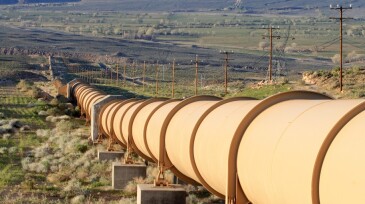
The Biden administration is poised to issue new cybersecurity regulations for pipelines and liquefied natural gas facilities in the aftermath of the April hack that temporarily paralyzed the nation’s biggest liquid fuel conduit.
-
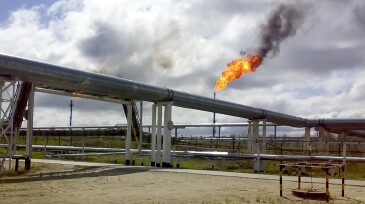
Leak detection and repair (LDAR) is essential in every upstream asset. This paper presents best practices and case studies about how LDAR can help to minimize methane emissions.
-
The world’s largest emissions trading market will probably start slowly.
-
Signed into law last month, the Texas Produced Water Consortium will be hosted by Texas Tech and bring together stakeholders, key experts, and industry to address produced water challenges.
-
Shell signed a 5-year contract to supply PetroChina with carbon-neutral LNG using carbon credits to offset emissions from Shell’s own emission-reduction project portfolio.
-
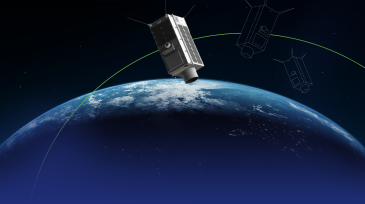
The year-long research project is aimed at proving the feasibility of reliable, space-based emissions monitoring.
-
With a boom in offshore wind construction expected to start in 2025, Subsea 7 is dealing now to grab a larger share of this burgeoning sector.
-
Russian President Vladimir Putin has signed a new law regulating carbon dioxide emissions as the country strives to fulfill promises to significantly reduce its carbon footprint by 2030.
-
Of the more than 1,100 professionals questioned by DNV, nearly three-quarters said that the goals of the Paris Agreement will not be possible without a large-scale hydrogen economy and that infrastructure is a major challenge.