HSE & Sustainability

While Uzbekistan has seen a significant drop in flaring, methane leaks from deteriorating infrastructure continue to reveal themselves to satellites in space.

The department announced it plans to combine the Bureau of Offshore Energy Management and the Bureau of Safety and Environmental Enforcement into the Marine Minerals Administration.
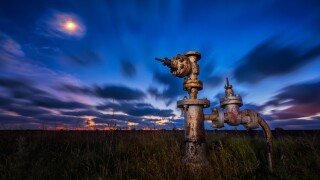
While some idle wells may be brought back into production, many will be plugged and abandoned. This paper considers repurposing certain idle oil and gas wells by using their empty steel casing for the disposal of nuclear waste.
-
 The human-factors approach in oil and gas remains an emerging science compared with other industries; most human-factors publications in the oil and gas industry focus their application on the design stage. Human-factors methods, however, can be applied at any stage.
 -
Proposal requests were sent to companies to solicit partnerships for the project with ADNOC and ADPower.
-
The report from the International Association of Oil and Gas Producers is in relation to a person who used alcohol-based hand gel sanitizer and, after application but before the liquid had fully evaporated, touched a metal surface, where a build-up of static ignited the alcohol.
-
Malaysia’s push to explore energy blocks off its coast has turned into a five-nation face off involving US and Chinese warships, raising the risk of a direct confrontation as broader tensions grow between the world’s biggest economies.
-
While sustainability is approached through various means within the industry, at its core is the welfare of human beings. Recent SPE papers demonstrate the importance of human rights in the industry’s drive toward sustainability.
-
The room for error and cost overruns just got a lot smaller with the escalating need to make operations more efficient and leaner with fewer resources and investors continuing to prioritize ESG alongside profitability.
-
AltaML has announced a partnership with engineering and design firm Kleinfelder in which the two companies will pair 3D reality scans of facilities with artificial intelligence to look for potential problems and risks.
-
A 3-year study of air quality, soils, groundwater, and waterways found few to no effects as a result of hydraulic fracturing operations in Surat Basin coal seam formations.
-
28 April is Workers’ Memorial Day, an international day of remembrance for the colleagues, family, and friends who have lost their lives while performing their jobs. It is also a day to take stock of where we stand on health and safety in the workplace.
-
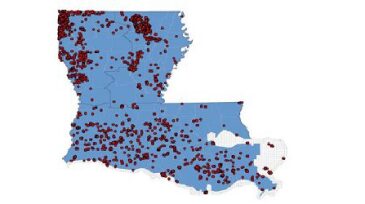
The Louisiana agency overseeing oil and gas drilling has seen a 50% increase in orphaned wells the state must pay to plug because they’ve been abandoned by their operators, according to a new audit by the Louisiana Legislative Auditor’s Office.