HSE & Sustainability
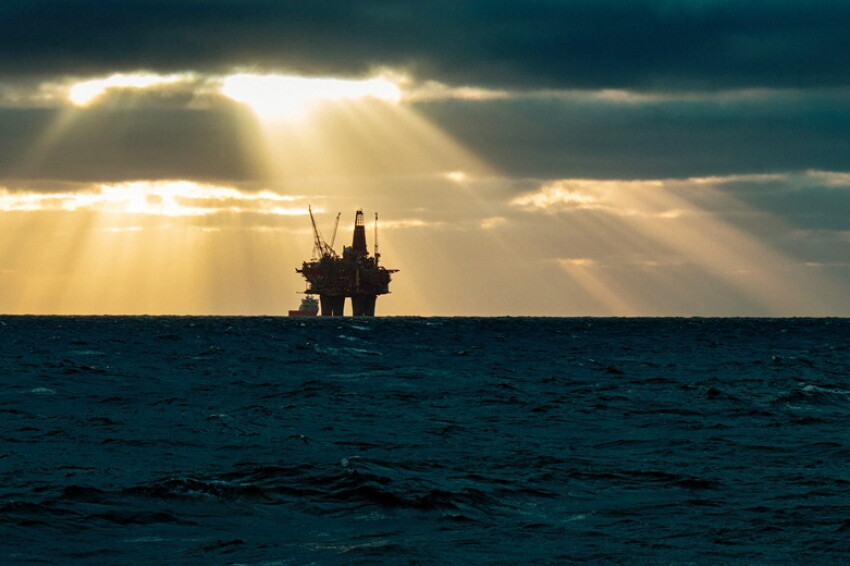
This paper identifies opportunities and risks associated with repurposing an offshore oil and gas platform for green hydrogen production. Various technical scenarios were investigated for the case study platform, and their profitability was determined using economic calculations. In addition, all the submodels were compared with standard decommissioning costs for reco…

This paper presents a flexible, highly cost- and energy-efficient method of gas separation and CO₂ capture from many different gas mixtures with a large range of CO₂ concentrations.

Emissions management covers a wide array of topics such as carbon capture, use, and storage; emissions monitoring; flare management; methods to improve operational efficiency; carbon accounting; and the effect of emissions management on global and local economics. The papers published in the past year span all these subcategories.
-
 Moji Karimi, CEO of Houston-based startup Cemvita Factory, talks about the status of oil and gas investments in the emergent technology arena of carbon capture, utilization, and sequestration.
 -
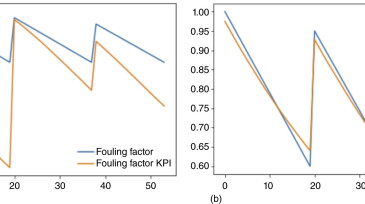
The machine-learning techniques applied in this study aim to deliver a fouling-prediction model based on both simulation and real-time field data.
-
This case history explores a multiwell sectional development in the Delaware Basin by a small operator who reduced drilling and completion costs, along with lease operating expenses, by turning undesirable produced water into an asset.
-
For more than a century, the oil industry magnificently improved the lives and health of humankind. Those gains help support a moral case to expand some use of fossil fuels but not to release them. Now it is time to lean in to solving the last step of our direct emissions.
-
A produced-water management framework is presented, forming part of an upstream-effluent management policy, to address the minimization and ultimate elimination of treated and untreated produced-water discharge.
-
As the oil and gas industry evolves to become more socially responsible with using natural resources such as water, economics constraints are an ever-present concern. The three highlighted papers share different approaches regarding how produced water could be managed economically.
-
For the fourth consecutive year, driver shortage remains the trucking industry’s leading concern. Oil and gas and energy industries face major challenges in the retention and recruitment of drivers for their transportation fleets, especially for petroleum and liquid tankers.
-
An overview of methane emissions and the changes anticipated with the energy transition highlight resources available to SPE members and plans for cross-discipline initiatives.
-
This paper is the second of a two-part series. It covers facilities problems caused by iron, injectivity problems caused by iron, and the mitigation of colloidal iron-related problems.
-
The sheer expanse of the deep sea and the technological challenges of working in an extreme environment make these depths difficult to access and study. Scientists know more about the surface of the moon than the deep seafloor. The Monterey Bay Aquarium Research Institute is leveraging advancements in robotic technologies to address this disparity.