HSE & Sustainability

SPE Journal is seeking submissions for a special issue on sustainable enhanced oil recovery (EOR), highlighting innovations that boost oil recovery while reducing CO2 emissions and environmental impact. The Call for Papers opens on 15 October 2026.

This paper identifies opportunities and risks associated with repurposing an offshore oil and gas platform for green hydrogen production. Various technical scenarios were investigated for the case study platform, and their profitability was determined using economic calculations. In addition, all the submodels were compared with standard decommissioning costs for reco…

This paper presents a flexible, highly cost- and energy-efficient method of gas separation and CO₂ capture from many different gas mixtures with a large range of CO₂ concentrations.
-
 CLOs play a critical role in developing and maintaining relationships with communities in and around the sites of company operations.
 -
Frac water disinfection experts become De Nora service arm in the unconventional oil and gas market.
-
Putting SPE’s revised vision into action mandates extensive collaboration and effective engagement with a wide range of internal and external stakeholders.
-
The oil and gas major has set aside $100 million to fund projects that will deliver new greenhouse gas emissions reductions in its upstream oil and gas operations.
-
A recent study of oil and gas methane emissions on the Navajo Nation reveals companies operating on tribal lands pollute 65% more than the national average, wasting millions in tribal resources every year and underscoring the opportunity for tribal leaders to reduce emissions.
-
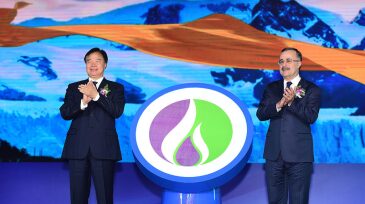
Executives from two of Asia’s largest national oil companies declared China’s Belt and Road Initiative project a driving force behind their shifting priorities to diversify the world’s energy mix.
-
A new networked checkpoint tower system has been designed specifically for remote oilfield work sites. The system keeps track of human and vehicle flow, enhancing operational safety and aiding in enforcement of company policies.
-
The papers identified in the article cover sustainable development of oil and gas resources in various aspects.
-
Flaring and emissions challenges have recently made news headlines around the world. The goal of this article is to engage you with this important topic by presenting a selection of recent SPE papers which address these challenges through various approaches.
-
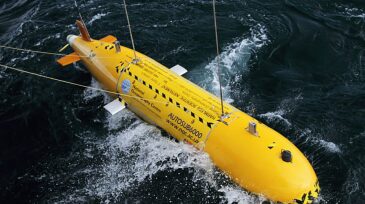
Scientists at the National Oceanographic Centre have released a review of how marine robotic capabilities can support the environmental monitoring needed for decommissioning oil and gas installations.