HSE & Sustainability

This paper presents a flexible, highly cost- and energy-efficient method of gas separation and CO₂ capture from many different gas mixtures with a large range of CO₂ concentrations.

Emissions management covers a wide array of topics such as carbon capture, use, and storage; emissions monitoring; flare management; methods to improve operational efficiency; carbon accounting; and the effect of emissions management on global and local economics. The papers published in the past year span all these subcategories.

This study explores the carbon-capture and mineralization potential of ultramafic rock powders when exposed to flue gases generated from combustion of crude oil and mesquite-derived charcoal.
-
 Greenhouse gases are woven into every stage of a well’s life, which presents challenges that demand creative solutions that do not require too much capital.
 -
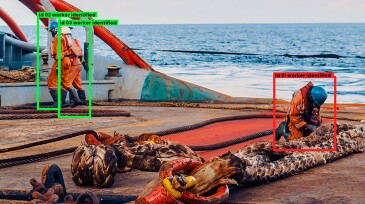
From optimizing drilling performance to enhancing worker safety, computer vision can change how the industry works.
-
The energy world is rapidly changing. The pressure to address climate change, ensure reliable energy supplies, and manage costs is greater than ever.
-
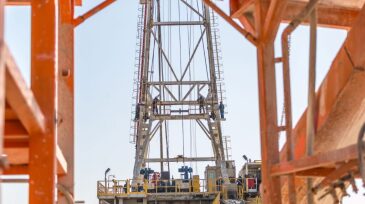
Located 230 km south of Abu Dhabi, the onshore Shah field produces around 70,000 B/D of crude.
-
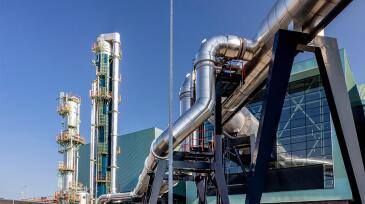
The plant is designed to capture up to 100,000 tonnes of carbon dioxide annually for the Netherlands-based sustainable energy supplier Twence.
-
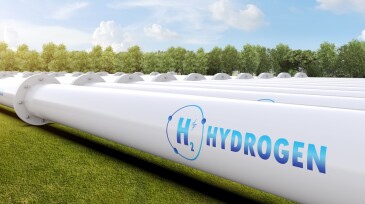
The first-of-its-kind map highlights areas of interest for this potential source of energy and chemical supply.
-
Wood Mackenzie reports that prices would need to rise, capital discipline would need to evolve, and spending would need to increase by 30% for the upstream sector to meet demand in a delayed energy transition scenario.
-
The update is designed to improve the accuracy and completeness of reported data, reduce the time needed to complete the form, and support deeper understanding of equipment failures.
-
A new modeling tool examines the pathways and technology necessary for California to reach carbon neutrality economywide by 2045.
-
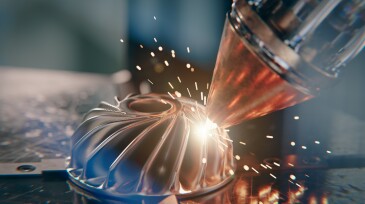
A recent study highlights the major challenges the technology faces as operators consider the pros and cons of using additive manufactured parts in a corrosion-prone environment.