HSE & Sustainability

This paper presents a flexible, highly cost- and energy-efficient method of gas separation and CO₂ capture from many different gas mixtures with a large range of CO₂ concentrations.

This study explores the carbon-capture and mineralization potential of ultramafic rock powders when exposed to flue gases generated from combustion of crude oil and mesquite-derived charcoal.

This paper presents an approach for safe, efficient, and cost-effective legacy well reabandonment.
-
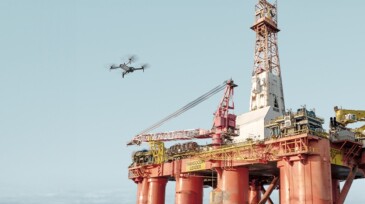
 Using autonomous systems creates efficiencies, but, even more critically, it also allows engineers to be engineers.
 -
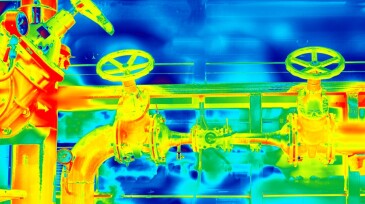
This article explores the implementation of artificial intelligence vision for leak monitoring automation in the oil and gas industry and its role in improving safety standards, operational efficiency, and environmental performance.
-
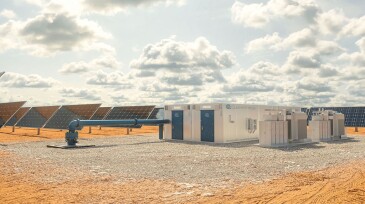
An economic analysis of a wellbore methodology in natural gas fields that uses gasification of methane within the wellbore (not within the reservoir) for hydrogen production while incorporating simultaneous sequestration of carbon. This new methodology offers significant energy and cost savings in addition to zero carbon being produced to the surface.
-
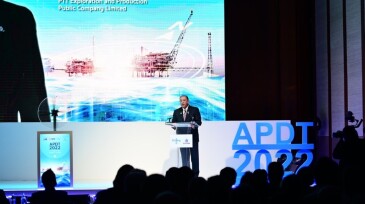
The SPE/IADC Asia Pacific Drilling Technology Conference and Exhibition will offer opportunities to exchange views, deliberate solutions for prevailing challenges, and enhance operational efficiency through collaboration and sharing of best practices.
-
A string of high-potential fires in the Gulf of Mexico leads to inspections and recommendations to improve safety.
-
An agent-based model is developed and used to predict COVID-19 spread within living quarters of an offshore oil and gas platform.
-
This paper investigates the use of machine learning to rapidly predict the solutions of a high-fidelity, complex physics model using a simpler physics model.
-
Hunt Energy Network invested $10 million into Quidnet to help scale up the company’s concept for geopressured energy storage to the tune of 300 MW.
-
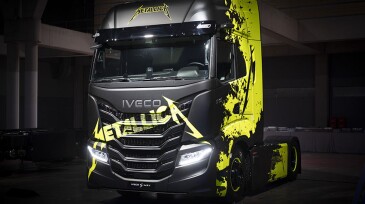
A new kind of groupie is interested in the heavy metal band Metallica’s tour in Europe, including Shell, big-rig and electric vehicle manufacturers, and producers of hydrogen, biofuels, and LNG. It has less to do with the music than the alternative fuels keeping the buses rolling on the 2-month, 7,200-mile journey across nine countries.
-
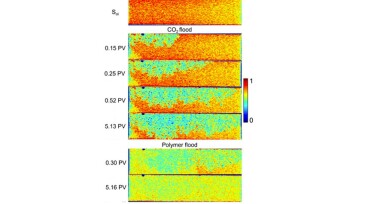
In this paper, the authors propose polymer-assisted water-alternating-gas (WAG) injection as an alternative method to reduce gas mobility while reducing the mobility of the aqueous phase and, consequently, improving WAG performance.