HSE & Sustainability
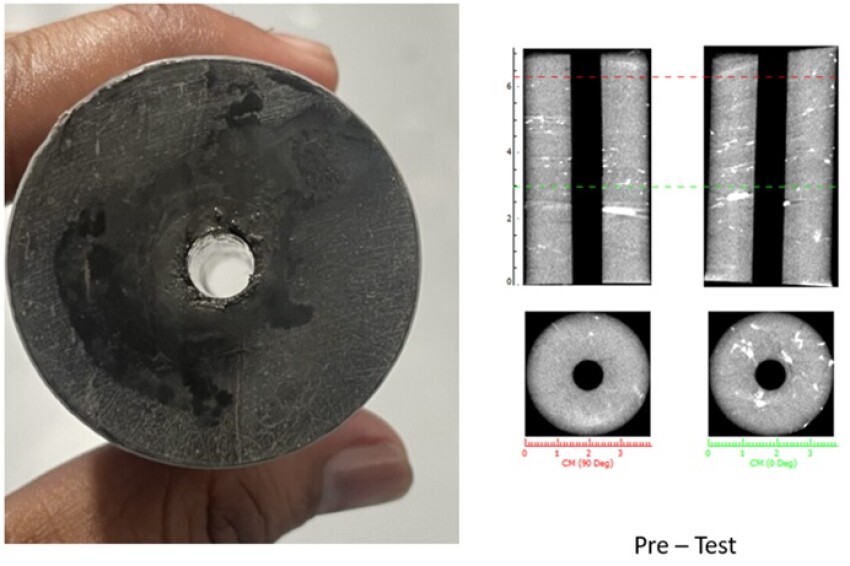
An investigative study examines the use of creeping shale formations as a more durable alternative to conventional cement barriers in carbon dioxide storage wells, potentially enabling safer long-term underground carbon storage.

The companies have released the Event Learning Taxonomy CLUE, which aims to improve the understanding of incidents beyond individual blame and toward clearer reporting and increased learning.
A memorandum of understanding between the companies targets technical services for safety and performance across Egypt’s onshore and offshore assets.
-
 This paper reviews the Ebola outbreak from the viewpoint of an onshore and offshore petroleum operator, providing insight into the real threats the outbreak, and providing lessons learnt for industry operations elsewhere.
 -
Safety culture can be distilled into nine characteristics predictive of safety outcomes. To improve safety performance and create lasting change in organizational culture, leaders can focus on developing 10 safety-specific leadership capabilities.
-
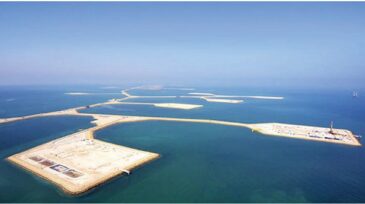
Saudi Aramco's Manifa field demonstrates that our industry can operate in harmony with the environment. Industry needs to minimize the impact of drilling and producing unconventional resources.
-
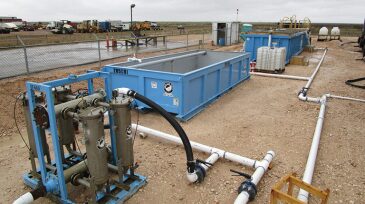
Tiny bubbles, called nanobubbles, are the focal point of a new innovation aimed at transforming produced water from a costly byproduct into a valuable asset.
-
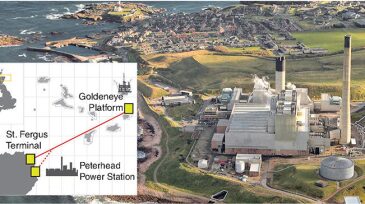
A major oil company is progressing a portfolio of commercial-scale carbon-capture-and-storage (CCS) demonstration projects covering an array of technologies that target applications of relevance to the wider oil and gas industry.
-
There remain a number of challenges with CO2 EOR. These include gravity override, poor sweep efficiency, and economic factors.
-
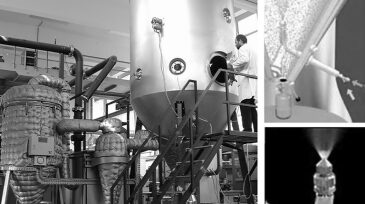
In chemical-looping combustion (CLC), oxygen is transferred from an air reactor to a fuel reactor by means of a solid oxygen carrier.
-
DNV’s new training center will run full-scale experiments for a joint industry project aimed at investigating cost-efficient explosion load descriptions for process areas.
-
A new techhnology aimed at treating produced water at the wellsite to near-drinking-water quality.
-
When panels in an instrument equipment shelter kept tripping and the occasional smell of H2S led to an investigation of the rationale. Although a rare occurrence, this paper presents a strategy for prevention through careful site selection.