HSE & Sustainability
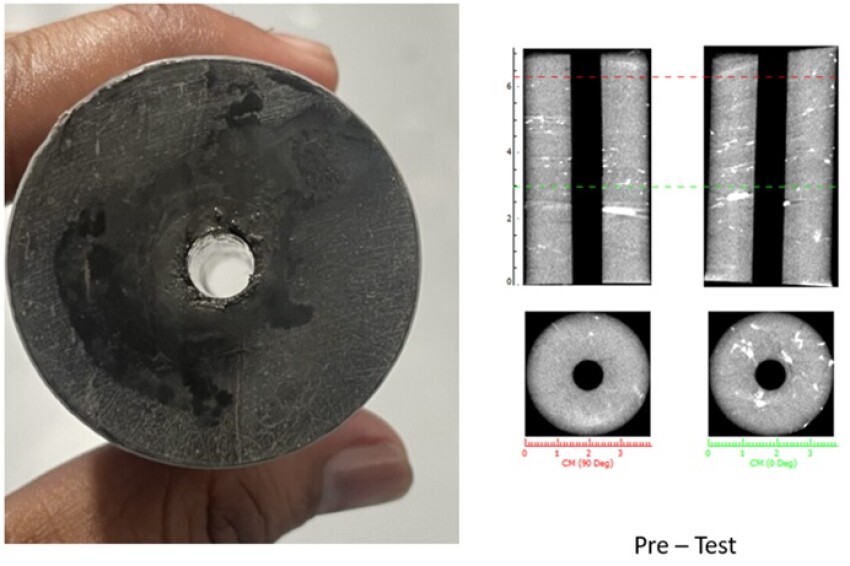
An investigative study examines the use of creeping shale formations as a more durable alternative to conventional cement barriers in carbon dioxide storage wells, potentially enabling safer long-term underground carbon storage.
The companies have released the Event Learning Taxonomy CLUE, which aims to improve the understanding of incidents beyond individual blame and toward clearer reporting and increased learning.
A memorandum of understanding between the companies targets technical services for safety and performance across Egypt’s onshore and offshore assets.
-
 Public perception is one of the most important variables in determining the success of oil and gas operations, and companies must do more to help shape this perception.
 -
Operators are increasingly sampling local groundwater prior to drilling as a risk management approach to deal with public concerns about hydraulic fracturing and other activities.
-
Hybridization of power systems is known to increase energy efficiency and reduce emissions, with lower fuel consumption. This paper reviews available technologies to serve as a selection guide for planning such systems.
-
SPE's report on Worst Case Discharge is designed to help US offshore operators calculate WCD to comply with the BOEM definition.
-
Companies have developed a greater understanding of the causes and effects of long-term fatigue on workers by adapting risk-based approaches to fatigue management. But it is important to incorporate work-site causes of fatigue.
-
A recent webinar provides six reasons for ensuring strong HSSE policies are included in a company's ERP system.
-
Looking after the human factors in daily operations is good business because it increases employee safety and improves work performance.
-
Allseas Engineering’s giant new offshore construction vessel has a new name, prior to its first job. What was once the Pieter Schelte is now the Pioneering Spirit.
-
SPE Distinguished Lecturer Patrick Hudson discussed the types of safety culture found in organizations and the ways in which companies can improve their handling of noncompliant behaviors by employees.
-
Though a best practice for sustainable hydraulic fracturing operations, using nonpotable water creates an environment in which microorganisms thrive. If left unchecked, bacteria can affect the environment and the economic viability of the hydraulic fracturing operation.