HSE & Sustainability
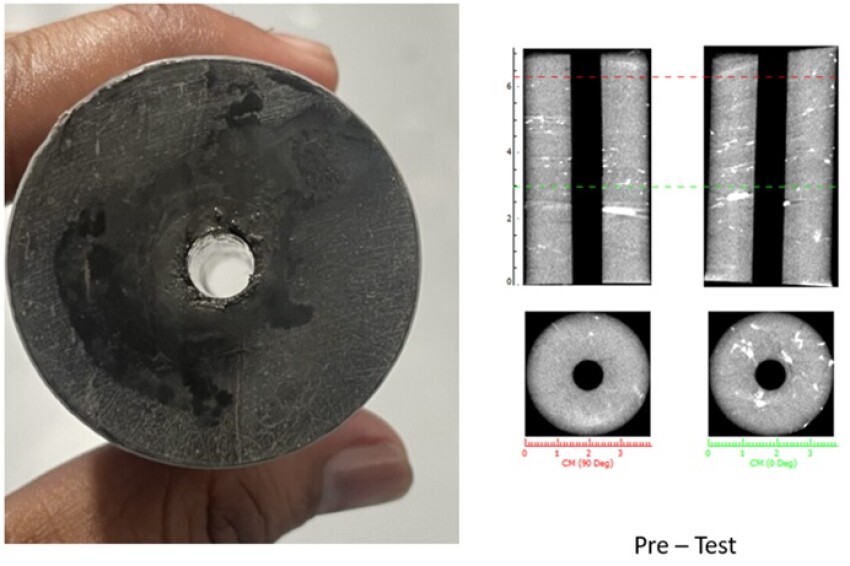
An investigative study examines the use of creeping shale formations as a more durable alternative to conventional cement barriers in carbon dioxide storage wells, potentially enabling safer long-term underground carbon storage.

The companies have released the Event Learning Taxonomy CLUE, which aims to improve the understanding of incidents beyond individual blame and toward clearer reporting and increased learning.
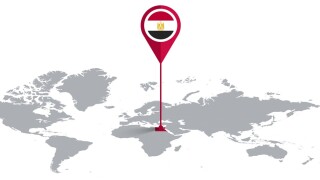
A memorandum of understanding between the companies targets technical services for safety and performance across Egypt’s onshore and offshore assets.
-
 Gone are the days when missing a few fingers is a badge of honor in the oilpatch. Author, Distinguished Lecturer and Consultant Ken Arnold discusses how far the the industry has come in prioritizing safety, and what more can be done to improve it.
 -
Water treatment systems in the North Sea differ from those in the deepwater Gulf of Mexico (GOM). This paper provides a detailed understanding of these differences and provides insight into the design of water-treatment systems in general.
-
Many oil and gas companies are pursuing fracture-flowback-water and produced-water recycling for subsequent drilling and fracturing operations. Removal of metals is important to success of these processes.
-
The US government is working on regulations to reduce oil industry methane emissions by more than 40% over the next 10 years.
-
Southwestern Energy plans to be freshwater neutral in its hydraulic fracturing operations by next year, and the company is well on its way to achieving that goal, said the leader of the group responsible for bringing it to fruition.
-
Market dynamics and costs drive the search for solutions. In California, where water is needed, producers are finding potential for reuse of waste water.
-
A lack of sleep and excessive lighting in the workplace can have negative long-term health effects for industrial shift workers.
-
In September, a technical workshop was held on the topic of injection-induced seismicity in Banff, Canada. It brought together industry and technical experts to discuss the increasingly important topic of induced seismicity associated with various injections during oil and gas activities.
-
In the northeastern desert of Utah, a new type of oil sands extraction technology has been born. The company behind it claims the process is the most cost-effective and environmentally sound way to develop oil sands.
-
From 2009 to 2010, there was an increase in the number of well-control incidents on the Norwegian continental shelf reported to the Petroleum Safety Authority Norway (PSA).