HSE & Sustainability
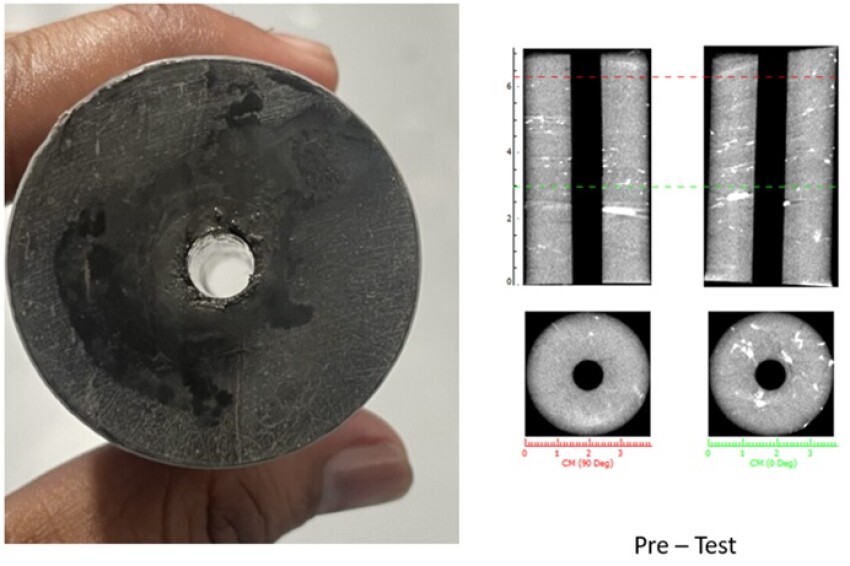
An investigative study examines the use of creeping shale formations as a more durable alternative to conventional cement barriers in carbon dioxide storage wells, potentially enabling safer long-term underground carbon storage.

The companies have released the Event Learning Taxonomy CLUE, which aims to improve the understanding of incidents beyond individual blame and toward clearer reporting and increased learning.
A memorandum of understanding between the companies targets technical services for safety and performance across Egypt’s onshore and offshore assets.
-
 The paper presents and discusses a solution for immersive training of industrial operators that allows experiencing the multifaceted scenarios of real-plant operations.
 -
This paper describes functional water-treatment steps that target the most common removal of suspended solids and oil or condensate from Produced-water (PW) and flowback-water (FW) for recycling or disposal operations.
-
The Piceance basin in western Colorado is a long-term play expected to produce for another 20 years or more.
-
The demands for fresh water used in hydraulic-fracturing operations are placing constraints on water resources in some regions of the United States. Along with higher acquisition costs for fresh water, produced-water-disposal costs also have increased.
-
This paper presents the results of a laboratory investigation in which treatment processes were evaluated as treatment methods for produced water (PW) from different oil and gas fields.
-
The rapid development of shale formations over the past decade has led the United States to become the world’s undisputed leader in natural gas production.
-
While there is no one way to prevent all accidents from occurring, organizations can develop an effective safety culture that allows them to learn from their mistakes.
-
A new federal air quality rule from the United States Environmental Protection Agency (EPA) could affect how the oil and gas industry handles waste gas emissions.
-
In response to the 2010 Deepwater Horizon incident that claimed the lives of 11 men and led to the worst oil spill in United States history, the offshore industry devised new technologies and methods that would allow for a quicker response in the US Gulf of Mexico.
-
Companies are deploying a variety of technologies to reduce the water needs of hydraulic fracturing. Where are these new facilities with these new technologies, and how will they help operators solve the problem of finding water to use?