HSE & Sustainability
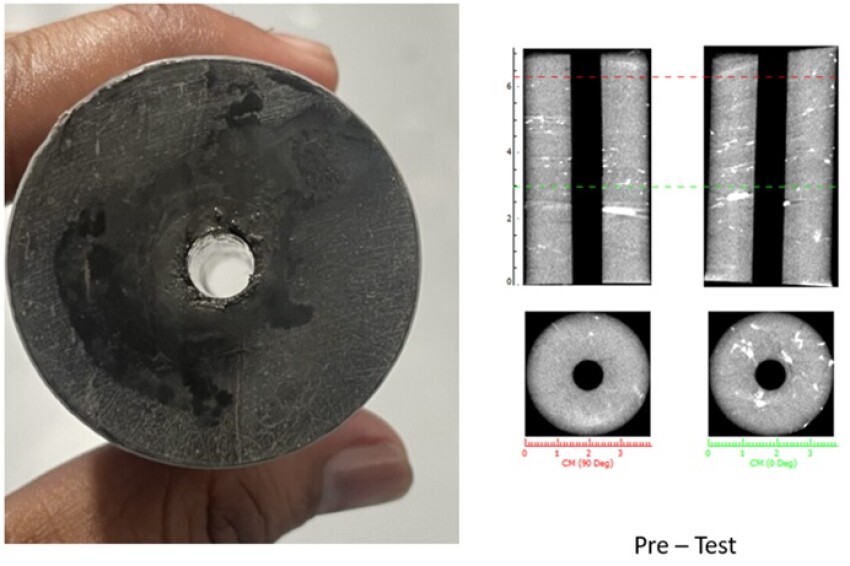
An investigative study examines the use of creeping shale formations as a more durable alternative to conventional cement barriers in carbon dioxide storage wells, potentially enabling safer long-term underground carbon storage.

The companies have released the Event Learning Taxonomy CLUE, which aims to improve the understanding of incidents beyond individual blame and toward clearer reporting and increased learning.
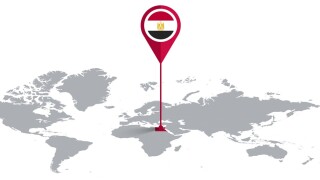
A memorandum of understanding between the companies targets technical services for safety and performance across Egypt’s onshore and offshore assets.
-
 Polymer flooding has been used to enhance the production of oil from mature fields in Oman. This article discusses the trial of several approaches to improve the treatment of water produced from these fields.
 -
Over the next few years, water treatment technologies are expected to continue to be deployed in the basin, as drought drives aquifer levels to new lows.
-
A new type of organically modified silica glass that can remove a wide variety of oils and contaminants from produced and flowback water is showing promising results as it undergoes field trials.
-
A major heavy oil producer in California has agreed to test a device that is designed to reduce emissions of smog-producing gases and increase the efficiency of gas burners.
-
The term “bright skies” generally connotes optimism, except when used to describe the skies at night. Finding a naturally dark sky has become increasing difficult as the global population and development grows.
-
With events such as the BP Macondo blowout in the US Gulf of Mexico (2010) and the Pemex Ayatsil-C platform accident (June), the safety risks inherent in oil and gas projects are evident.
-
A rigorous SHE&S program on the Barzan Onshore Project tracked 211 deliverables on a monthly basis and led to 131 million man-hours worked without a lost-time incident from July 2012 to March 2014.
-
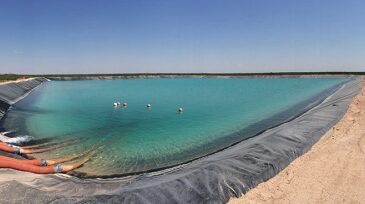
While storage and logistics are critical elements of the viability of water reuse, if the water chemistry is not fit for gel fracturing formulations, it will not matter how much is stored in centrally located impoundments.
-
“Change” was the theme of Offshore Northern Seas (ONS) 2014 in Stavanger, Norway, in August. While commemorating the conference’s 40th anniversary, speakers called for changes in “business as usual.”
-
Natural-gas-actuated pneumatic-control equipment has recently become a focus area for regulators trying to reduce the quantity of actual pollutants and greenhouse gases released to the atmosphere.