HSE & Sustainability
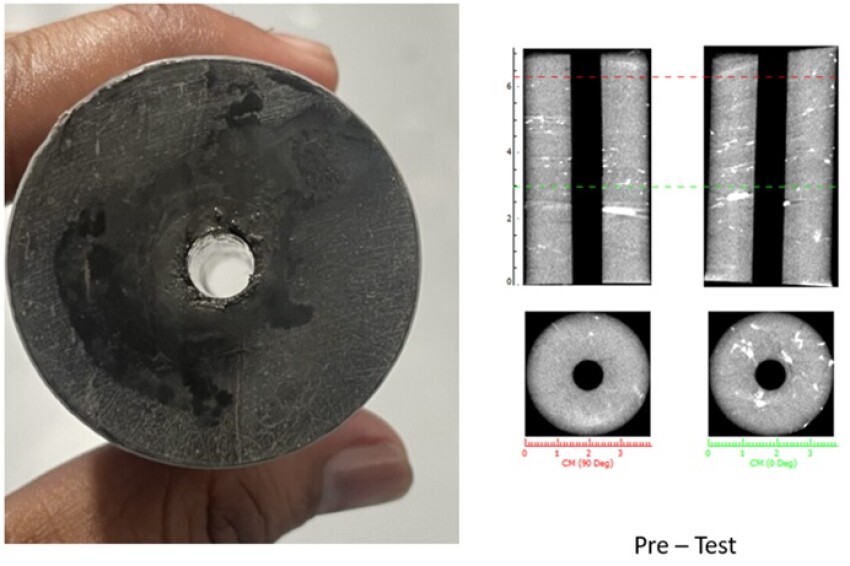
An investigative study examines the use of creeping shale formations as a more durable alternative to conventional cement barriers in carbon dioxide storage wells, potentially enabling safer long-term underground carbon storage.

The companies have released the Event Learning Taxonomy CLUE, which aims to improve the understanding of incidents beyond individual blame and toward clearer reporting and increased learning.

A memorandum of understanding between the companies targets technical services for safety and performance across Egypt’s onshore and offshore assets.
-
 In the August Oil and Gas Facilities, I wrote about the inherency of poetry in our work and how it helps define who we are. In this issue, I share a remarkable example of poetry at work in the mind and heart of an engineer and how it resonated with people and helped to change an industry.
 -
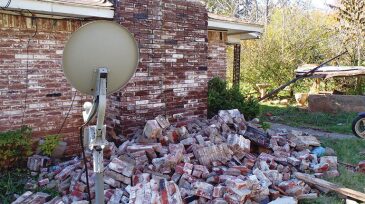
A sharp rise in seismic events in some areas of the United States where oil and gas production is booming is leading regulators and the industry to examine whether the two are related.
-
Biological-monitoring programs provide data for decision making and to ensure the protection of resources.
-
While water issues are often location- and situation-dependent, a standardized guide to water-resource management has been developed for upstream oil- and gas-production projects and operations.
-
This paper demonstrates a small, low-cost, low-power, highly sensitive nanomaterial-based gas sensor specifically targeted for the detection of hydrogen sulfide (H2S).
-
Unconventional resources offer many substantial benefits, yet the rapid increase in production of these resources using hydraulic fracturing has generated scrutiny by some policymakers and advocates who cite health concerns.
-
Every process plant presents a high number and diversity of valves that control the flow of feedstock, products, and service liquids and gases.
-
The United States shale boom brought the issue of social license to operate (SLO) to the forefront.
-
This article explores the outlook for the global market and gives insight into technology trends and the regions that hold the biggest opportunities for water treatment.
-
Used extensively by the food, chemical, and pharmaceutical industries, the mechanical-vapor-recompression (MVR) process is viewed as a reliable method for recovering demineralized water from concentrated brines. This paper reports on performance of an advanced MVR system in north-central Texas.