HSE & Sustainability
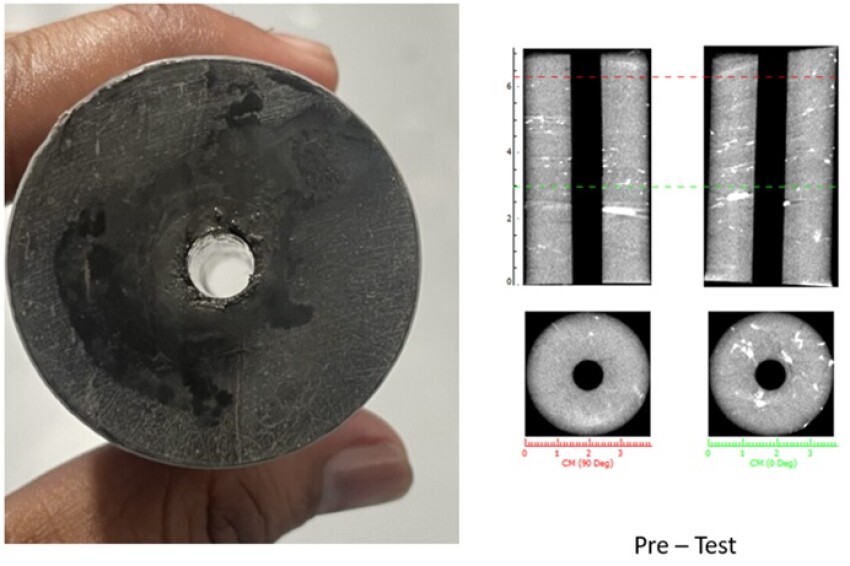
An investigative study examines the use of creeping shale formations as a more durable alternative to conventional cement barriers in carbon dioxide storage wells, potentially enabling safer long-term underground carbon storage.

The companies have released the Event Learning Taxonomy CLUE, which aims to improve the understanding of incidents beyond individual blame and toward clearer reporting and increased learning.
A memorandum of understanding between the companies targets technical services for safety and performance across Egypt’s onshore and offshore assets.
-
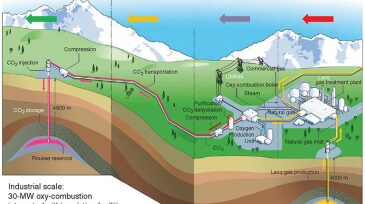
 Total has been involved in CO2 injection and geological storage for more than 15 years, in Canada (Weyburn oil field) for enhanced oil recovery and in Norway (Sleipner and Snohvit fields) for aquifer storage.
 -
Enhanced oil recovery processes, particularly offshore, create challenges for produced water treatment. This option reviews technology options and current applications.
-
This is the first of several articles on the subject of water management for unconventional hydraulic fracturing. This article outlines the critical issues and outlines development of a strategy for treatment of flowback fluids.
-
The Goliat field will be the first offshore oil field in the Barents Sea and the world’s northernmost offshore oil field.
-
The number of offshore facilities employing waterflooding with desalination continues to grow. Currently, more than 50 sulfate removal units are in operation offshore with a total capacity of approximately 8 million BWPD.
-
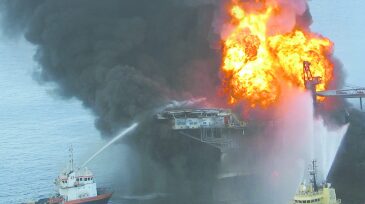
The burning of oil in place (in situ) on water is a viable means of mitigating the impact of marine oil spills. This paper examines decision criteria and safe practices for deploying this method in both icy and warm conditions.
-
The challenges the industry faces are not only or even primarily technical—they have to do with how the industry sees and communicates with the public, and with demands from the public to have a voice in decision making. This article explores the barriers to engaging with the public.
-
Produced water has typically been viewed as a waste product to be disposed. A recent webinar explored ways that this waste can be turned into value through treatment and reuse. Available options vary with the quality of the produced water.
-
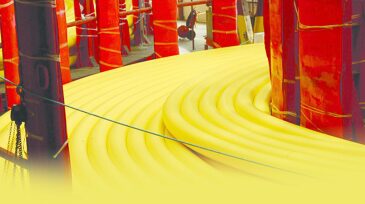
The energy contained in oil and gas makes them immensely useful—and dangerous. A fire fueled by hydrocarbons can quickly threaten anything exposed to it. Building in passive fire protection when constructing facilities is wise practice.
-
Changing the salinity of injection water could make the difference in getting more out of existing wells.