HSE & Sustainability

Propelling a proposed CCS project from the drawing board to first carbon storage requires overcoming several hurdles.

The 2025 report confirms for the second year that the Appalachian Basin has the lowest methane intensity of any major oil and gas basin in the US.
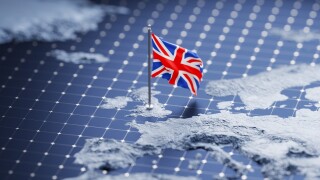
The North Sea Transition Authority has advanced the UK’s plans for carbon storage by approving the drilling of a proposed appraisal well off the coast of Teesside.
-
 Industry experts advocate for collaboration to develop and test technology that can reduce emissions without breaking the bank.
 -
Viking Energy, the world’s first LNG-powered supply vessel, is set to become the world’s first ammonia-powered supply vessel.
-
H2Teesside is expected to be one of the UK’s largest low-carbon hydrogen production facilities, targeting 1.2 GW of low-carbon hydrogen production, which equates to more than 10% of the UK’s 2030 hydrogen production target.
-
The guidance presents the first oil-and-gas-specific set of circularity indicators to enable oil and gas companies to measure the circularity of their assets and material in/out flows.
-
The environmental analysis found no significant effects from issuing leases.
-
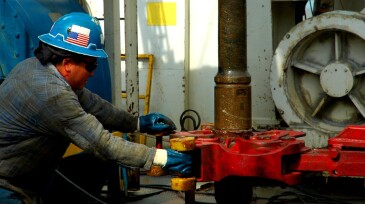
This paper explores the use of human-factors analysis and classification systems in comprehending hand and finger injuries in the oil and gas industry.
-
A Houston-based geothermal startup just got "liked" by the parent company of Facebook.
-
Proving that green hydrogen can efficiently power steel pipe manufacturing could advance the EU’s plan to decarbonize its heavy industry by importing the sustainable fuel from North Africa after 2030.
-
The Student Chapter Development Workshop aims to foster global collaboration, knowledge exchange, and professional growth among young petroleum engineers, focusing on leadership and sustainable development in the energy sector.
-
Energy efficiency is crucial for the oil and gas industry, where operational costs and environmental impact are under constant scrutiny. Predicting and managing electrical consumption and peak demand accurately, especially with the variability of weather conditions, is a significant challenge. This work presents a neural network model trained on historical weather and…