HSE & Sustainability
This paper presents an approach to the identification, selection, and implementation of initiatives for sustainable water management, withdrawal reduction, and water valorization.

This paper presents an experiment investigating dissolution of basaltic primary minerals and conditions favorable for secondary phase formation under deep subsurface storage conditions.

This study aims to investigate the efficacy of chemical additives strontium chloride and barium hydroxide in accelerating CO₂ trapping mechanisms, their effect on dissolution of carbonate-bearing minerals, and resulting poroelastic changes in the host rock.
-
 A newly formed global coalition, Carbon Measures, aims to develop a ledger-based carbon accounting framework and champion market-based solutions to drive emissions reduction.
 -
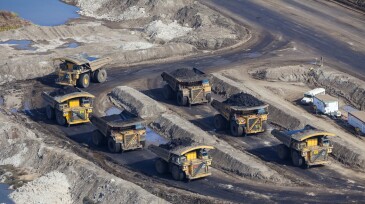
Absolute greenhouse-gas emissions from Canadian oil sands increased by less than 1% in 2024, even as production grew, according to an analysis by S&P Global Commodity Insights, which cited gains in efficiency for the trend.
-
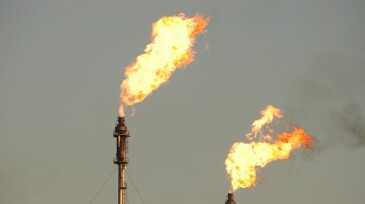
Satellite data show nearly 45,000 methane plumes worldwide in the first quarter, triple the number from a year earlier.
-
The publication highlights the role of carbon capture and storage (CCS) in the energy transition and how the oil and gas industry can support the uptake of CCS technologies and presents case studies from Ipieca members.
-
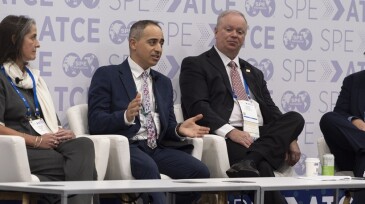
A resilience-based approach to safety was the focus of a panel of experts at the 2025 SPE Annual Technical Conference and Exhibition in Houston.
-
APOGCE 2025 set the stage for strategic dialogues on how Asia Pacific’s upstream industry can innovate, invest, and collaborate to meet growing energy demand while advancing net-zero goals.
-
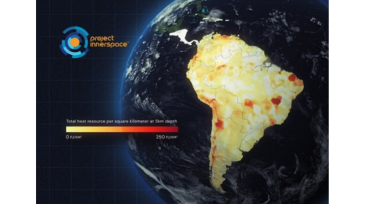
The freely accessible online platform is the latest in a series of maps designed to reveal the continent’s untapped geothermal potential.
-
The Global CCS Institute released its Global Status of CCS 2025 report, which states that the number of operating CCS facilities has grown to 77 with a capability of storing 64 mtpa.
-
Analysts say UK output growth could offset emissions associated with the production of imported LNG while supporting energy security.
-
TotalEnergies and the Danish Underground Consortium complete a 7-year effort to redevelop the Tyra field, lowering emissions and extending field life.