HSE & Sustainability
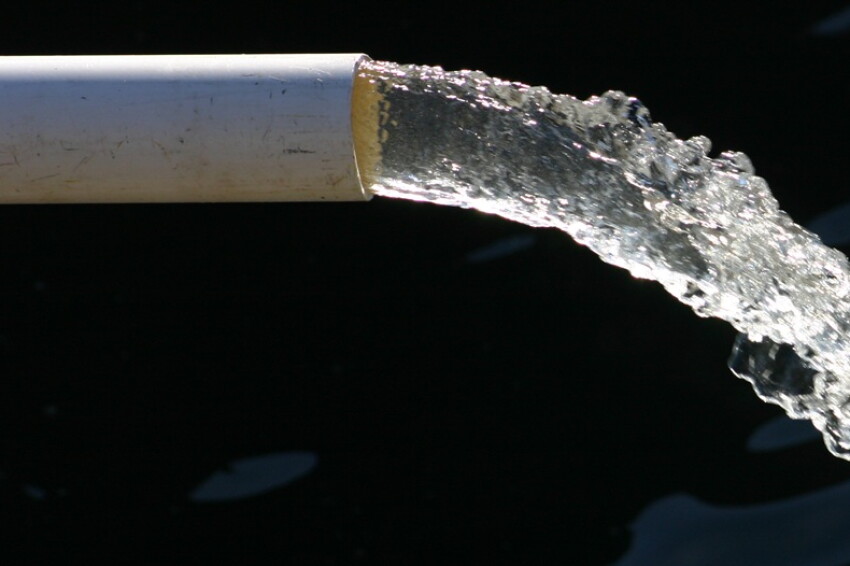
This paper presents an approach to the identification, selection, and implementation of initiatives for sustainable water management, withdrawal reduction, and water valorization.

This paper explores the application of a modular, high-temperature gas-cooled nuclear reactor to a Very Large Crude Carrier-class floating production, storage, and offloading vessel.

This paper describes the potential of combined-cycle technology (use of a gas turbine and a steam turbine together to turn fuel into electricity) in offshore carbon-capture applications.
-
 The oil and gas industry recognized the value of UASs a few years ago, and now the industry and oil-spill-response organizations around the world are looking at ways to use UAS technology to have “eyes in the sky” to support spill responses and explore the safety, efficiency, and cost benefits.
 -
The loss of the Alexander L. Kielland platform on 27 March 1980 marked a turning point on the Norwegian continental shelf, said Anne Myhrvold, director general of the Petroleum Safety Authority Norway. She said she believes it has been crucial for offshore safety work.
-
The fact sheet, in conjunction with other IPIECA water management guidance, is intended as a guide to explore opportunities to reuse produced water.
-
The Environmental Protection Agency announced a sweeping relaxation of environmental rules in response to the coronavirus pandemic, allowing power plants, factories, and other facilities to determine for themselves if they are able to meet legal requirements on reporting air and water pollution.
-
The fourth edition of the Sustainability Reporting Guidance for the Oil and Gas Industry increases the number of issue areas from 12 to 21 and includes a greater focus on climate and energy.
-
Restrictions on the numbers of contractors on rigs, pipelines, and production sites are forcing companies to delay work that’s been planned for years.
-
The energy infrastructure firm is becoming Altera Infrastructure as part of a global rebranding initiative.
-
The healthcare provider has developed and launched a new service to safely manage suspected cases of coronavirus following workers’ disembarkation from offshore locations.
-
The Petroleum Safety Authority Norway is closely monitoring industry action over the current pandemic. So far, it has found that, while the pandemic is attracting great attention, there are no signs of safety being weakened.
-
As industry imposes work from home, health checks, and other severe measures, could digitalization provide relief?