HSE & Sustainability
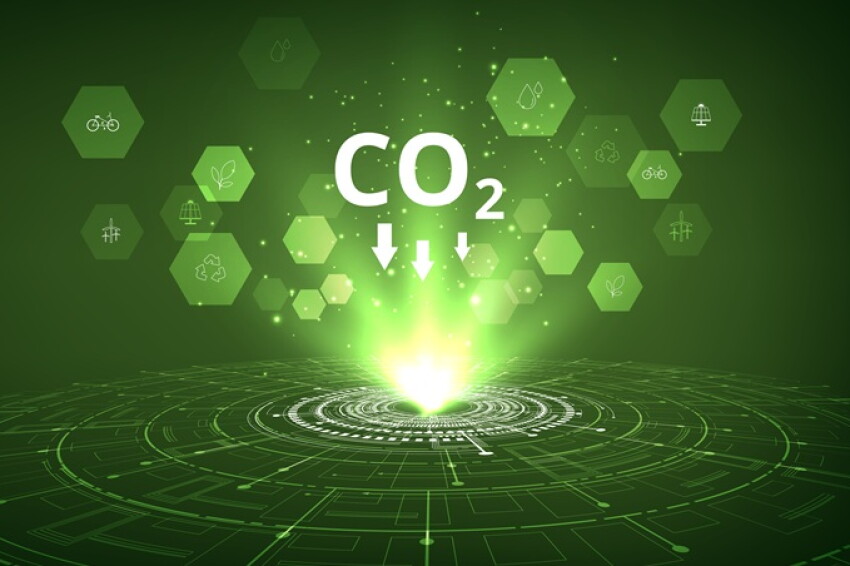
The Pawnee Carbon Sequestration Project, which would use a repurposed well, is planned to capture and store up to 400,000 tonnes of carbon dioxide, with first injection targeted for early 2027.

DNV notes that energy and industrial process-related carbon emissions will have dropped by 2050 by only 44% from today’s level, not even halfway to the net-zero pledge envisioned by the Paris climate agreement.

SPE's new Asset Integrity Technical Section brings together industry experts to advance best practices in reliability engineering, asset integrity, risk reduction, and infrastructure performance. The global community will focus on the safe, reliable, and sustainable operation of energy assets across both traditional and emerging energy sectors.
-
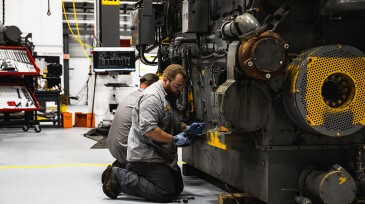
 To choose the right technologies for a gas-compression package, it’s critical for operators to have a clear understanding of their business and greenhouse‑gas emissions-related goals. Operators also need clarity concerning the impact of evolving requirements on total cost of ownership as well as potential financial ramifications.
-
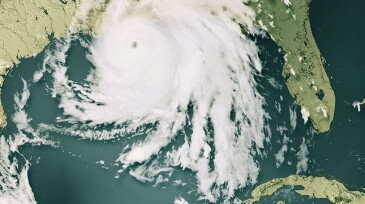
Hurricane prognosticators continue to believe the 2024 Atlantic storm season will be more active than normal, even after a somewhat slow start. In any case, the oil field is ready.
-
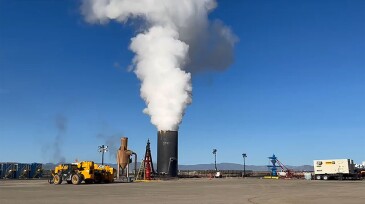
Fervo Energy proved fracturing can harvest geothermal energy and is now rapidly learning to build a utility-scale power plant.
-
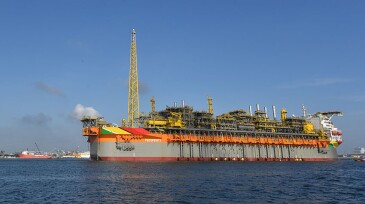
Since the late 1930s, the offshore industry has advanced from the first platform in 14 ft of water to the ultradeepwater 20K era. Driven by seismic, drilling, and development breakthroughs, the industry has pushed into deeper waters, high-pressure reservoirs, and new frontiers like Guyana, continually expanding the limits of offshore exploration.
-
The updated rules are designed to increase safety during operations in the US Outer Continental Shelf, including in high-pressure/high-temperature environments in the Gulf of Mexico.
-
Carbon storage specialist Storegga joins Petronas and ADNOC in a joint study to strategize the build-out of Malaysia’s offshore as a regional CCS hub.
-
Industry experts advocate for collaboration to develop and test technology that can reduce emissions without breaking the bank.
-
Viking Energy, the world’s first LNG-powered supply vessel, is set to become the world’s first ammonia-powered supply vessel.
-
H2Teesside is expected to be one of the UK’s largest low-carbon hydrogen production facilities, targeting 1.2 GW of low-carbon hydrogen production, which equates to more than 10% of the UK’s 2030 hydrogen production target.
-
The guidance presents the first oil-and-gas-specific set of circularity indicators to enable oil and gas companies to measure the circularity of their assets and material in/out flows.