HSE & Sustainability
The Pawnee Carbon Sequestration Project, which would use a repurposed well, is planned to capture and store up to 400,000 tonnes of carbon dioxide, with first injection targeted for early 2027.

DNV notes that energy and industrial process-related carbon emissions will have dropped by 2050 by only 44% from today’s level, not even halfway to the net-zero pledge envisioned by the Paris climate agreement.

SPE's new Asset Integrity Technical Section brings together industry experts to advance best practices in reliability engineering, asset integrity, risk reduction, and infrastructure performance. The global community will focus on the safe, reliable, and sustainable operation of energy assets across both traditional and emerging energy sectors.
-
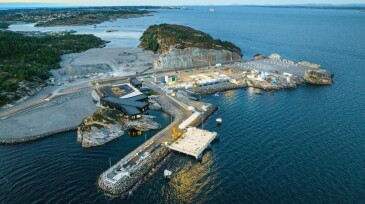
 The region stands to benefit from TotalEnergies’ experience as a partner in Norway’s Northern Lights CCS development to decarbonize industrial operations in northern Europe. The first injection of carbon dioxide at Northern Lights is expected in 2024.
-
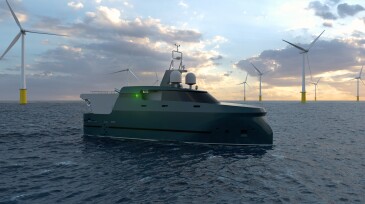
Norway’s USV joint venture will launch its first unmanned offshore surface vessel in 2025 to support subsea inspection, maintenance, and repairs.
-
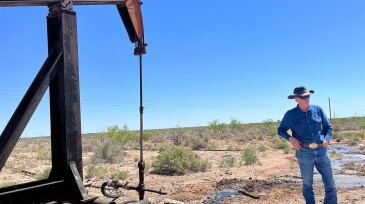
The bipartisan infrastructure law included $4.7 to start plugging wells. But the new federal money is creating logistical and regulatory challenges, raising questions about whether the money will live up to its promise.
-
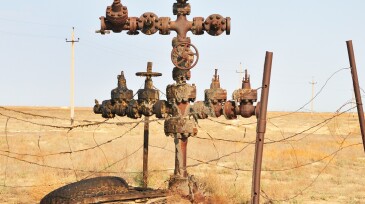
The bipartisan infrastructure law funding aims to address legacy pollution and spur economic growth nationwide.
-
The industry's increasing dependence on digital systems has escalated the importance of robust cybersecurity strategies, presenting an array of unprecedented challenges.
-
The emissions intensity of production is expected to decline further because of the continued shift toward newer and more productive operations in the deep water and other factors.
-
The company has acquired Dublin-based Enviroguide Consulting in an effort to increase its focus on environmental concerns.
-
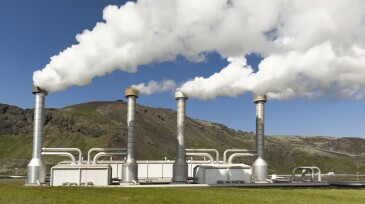
Advantages for conversion of nonactive oil and gas wells to geothermal wells include deferred plugging and abandonment costs, safety and environmental concerns, and potential energy production.
-
The project aims to power subsea equipment with wave power and subsea energy storage. The two technologies have been deployed in the seas off Orkney, Scotland, and have begun a test program where they will provide low-carbon power and communication to infrastructure.
-
The organizations have created health performance indicators (HPIs) to be used by organizations in the oil and gas industry. The published guidance for applying these HPIs has been updated in several aspects, including recognition of the importance of mental health.