HSE & Sustainability

The 2025 report confirms for the second year that the Appalachian Basin has the lowest methane intensity of any major oil and gas basin in the US.

The North Sea Transition Authority has advanced the UK’s plans for carbon storage by approving the drilling of a proposed appraisal well off the coast of Teesside.

Smart Seismic Solutions plans to use 50,000 nodes to examine storage potential for the Greenstore CCS project.
-
 Of the total approved by ADNOC’s board, $50 billion will be invested in Canada under a framework agreement targeting projects in AI, energy, and mining.
 -
GeoMap Europe is the latest in a series of interactive global geothermal maps that combine large subsurface and surface data sets to highlight where geothermal resources and development opportunities are strongest for power, heat, cooling, and storage.
-
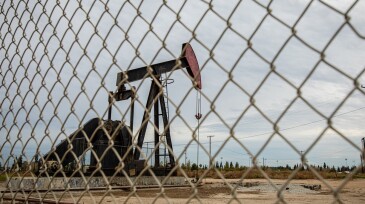
This paper introduces an AI-driven digital fencing system designed to boost security in oil and gas fields. The main objectives are to improve security and safety of oil and gas facilities while addressing the limitations of legacy physical barriers, reducing false alarms, and eliminating the dependability on the grid in favor of renewable energy.
-
The ruling means the state will take over permitting and enforcement of EPA regulations pertaining to all classes of wells, including injection wells for carbon dioxide storage.
-
Petronas CCS Ventures receives Malaysia’s first offshore assessment permit for carbon capture and storage in the Duyong field offshore Peninsular Malaysia.
-
SponsoredAdvance your career with the new Pipeline Engineering Program at the Technical University of Leoben, a 5-month course combining on-campus and online learning, integrating industry expertise, engineering practice, and future-ready skills for professionals in oil, gas, and emerging energy systems.
-
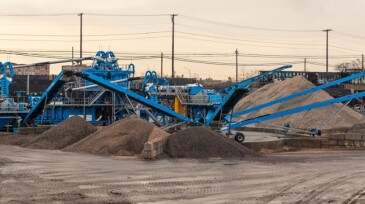
The growing adoption of soil washing is driven by stricter environmental regulations and advancements in technology, which enhance its efficiency and cost-effectiveness.
-
Regulators pull from experiences in the oil and gas industry to define best stewardship practices for the nascent CCS industry.
-
Growing energy transition investment highlights oil and gas technologies as key enablers.
-
EERC CEO Charles Gorecki outlines how applied research in North Dakota is helping improve oil recovery, reduce emissions, and advance carbon storage.