HSE & Sustainability

This paper explores how artificial intelligence (AI), cognitive models, and integrated digital tools can transform readiness from periodic drills into a continuous, measurable capability.

This paper presents a competency-cenetered, data-driven approach implemented to strengthen control-room emergency-response capability through a cloud-hosted, scenario-based virtual plant simulator.

This paper presents laboratory-testing methods and evaluation criteria designed to improve understanding of both the origin and extent of formation damage associated with CO2 injection.
-
 Gas-capturing targets were met for most of the year as routine flaring drops to just 7.5% statewide and even lower in the Bakken Shale.
 -
Oilfield medics face long hours, grisly accidents, desolation, and low pay. So why do they do it?
-
After an oilfield tank battery explosion killed a 14-year-old girl, Louisiana regulators have put new rules in place for the storage tanks and are launching a campaign to identify all of them statewide.
-
Offshore Gulf of Mexico is becoming the destination of choice for international oil companies seeking new, low-carbon acreage to explore and develop.
-
The US government is looking to size up efforts related to leak detection and repair practices.
-
Moji Karimi, CEO of Houston-based startup Cemvita Factory, talks about the status of oil and gas investments in the emergent technology arena of carbon capture, utilization, and sequestration.
-
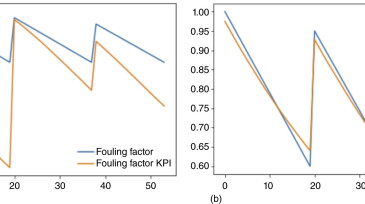
The machine-learning techniques applied in this study aim to deliver a fouling-prediction model based on both simulation and real-time field data.
-
This case history explores a multiwell sectional development in the Delaware Basin by a small operator who reduced drilling and completion costs, along with lease operating expenses, by turning undesirable produced water into an asset.
-
For more than a century, the oil industry magnificently improved the lives and health of humankind. Those gains help support a moral case to expand some use of fossil fuels but not to release them. Now it is time to lean in to solving the last step of our direct emissions.
-
A produced-water management framework is presented, forming part of an upstream-effluent management policy, to address the minimization and ultimate elimination of treated and untreated produced-water discharge.