HSE & Sustainability

LibertyStream has signed a feedstock agreement with Goodnight Midstream to support its first commercial lithium carbonate facility in North Dakota's Bakken, advancing plans to extract battery-grade lithium from produced water.

The transition away from materials that contain per- and polyfluoroalkyl substances (PFAS), co-called forever chemicals, creates an opportunity to preserve historical information. Information that appears to have little operational value today may later become important when organizations need to evaluate past PFAS use. Once that information is lost, recreating it may…

TotalEnergies signed off for 30% operated stakes in the Lang Lebah and B14 gas fields offshore Sarawak on the sidelines of ADIPEC in Abu Dhabi, while also highlighting methane-reduction partnerships in Angola, India, and Southeast Asia.
-
 Gas-capturing targets were met for most of the year as routine flaring drops to just 7.5% statewide and even lower in the Bakken Shale.
-
Oilfield medics face long hours, grisly accidents, desolation, and low pay. So why do they do it?
-
After an oilfield tank battery explosion killed a 14-year-old girl, Louisiana regulators have put new rules in place for the storage tanks and are launching a campaign to identify all of them statewide.
-
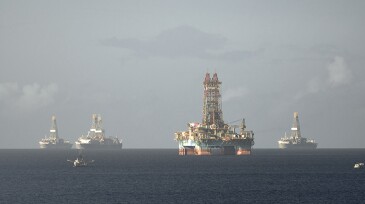
Offshore Gulf of Mexico is becoming the destination of choice for international oil companies seeking new, low-carbon acreage to explore and develop.
-
The US government is looking to size up efforts related to leak detection and repair practices.
-
Moji Karimi, CEO of Houston-based startup Cemvita Factory, talks about the status of oil and gas investments in the emergent technology arena of carbon capture, utilization, and sequestration.
-
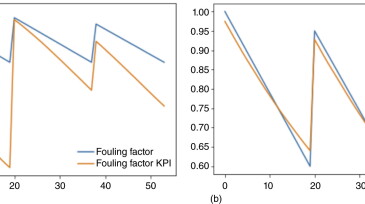
The machine-learning techniques applied in this study aim to deliver a fouling-prediction model based on both simulation and real-time field data.
-
This case history explores a multiwell sectional development in the Delaware Basin by a small operator who reduced drilling and completion costs, along with lease operating expenses, by turning undesirable produced water into an asset.
-
For more than a century, the oil industry magnificently improved the lives and health of humankind. Those gains help support a moral case to expand some use of fossil fuels but not to release them. Now it is time to lean in to solving the last step of our direct emissions.
-
A produced-water management framework is presented, forming part of an upstream-effluent management policy, to address the minimization and ultimate elimination of treated and untreated produced-water discharge.