HSE & Sustainability

LibertyStream has signed a feedstock agreement with Goodnight Midstream to support its first commercial lithium carbonate facility in North Dakota's Bakken, advancing plans to extract battery-grade lithium from produced water.

The transition away from materials that contain per- and polyfluoroalkyl substances (PFAS), co-called forever chemicals, creates an opportunity to preserve historical information. Information that appears to have little operational value today may later become important when organizations need to evaluate past PFAS use. Once that information is lost, recreating it may…

TotalEnergies signed off for 30% operated stakes in the Lang Lebah and B14 gas fields offshore Sarawak on the sidelines of ADIPEC in Abu Dhabi, while also highlighting methane-reduction partnerships in Angola, India, and Southeast Asia.
-
 The challenges the industry faces are not only or even primarily technical—they have to do with how the industry sees and communicates with the public, and with demands from the public to have a voice in decision making. This article explores the barriers to engaging with the public.
-
Produced water has typically been viewed as a waste product to be disposed. A recent webinar explored ways that this waste can be turned into value through treatment and reuse. Available options vary with the quality of the produced water.
-
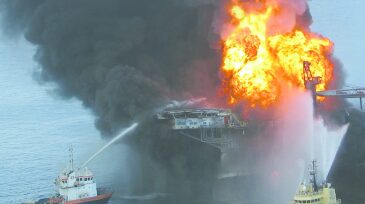
The energy contained in oil and gas makes them immensely useful—and dangerous. A fire fueled by hydrocarbons can quickly threaten anything exposed to it. Building in passive fire protection when constructing facilities is wise practice.
-
Changing the salinity of injection water could make the difference in getting more out of existing wells.
-
Using low-sal water for flood can add 30% to the amount of oil that can be recovered from a reservoir. What is the theory behind it?
-
A recent webinar covered the varieties of current technology for flotation equipment and provided an in-depth look into flotation technology and the options surrounding offshore applications.
-
Ted Frankiewicz' Distinguished Lecture presentation on “Diagnosing and Resolving Chemical and Mechanical Problems in Produced Water Treating Systems” was the subject of a recent webinar.
-
There is little doubt that the industry is committed to improving its safety performance—and most agree that improving the collective culture around safety is an effective approach to achieving this goal. But the specifics of how to achieve lasting change are more difficult.
-
SPE has formed a new technical section focusing on human factors engineering, which seeks to bring in knowledge from other industries, thereby ensuring safe operations and fostering a coordinated safety culture from top-level executives to workers on the ground.
-
A recent webinar discussed current technologies to enable reuse of produced water in gas and oil shale developments.