HSE & Sustainability
This paper proposes a shift in the timing of risk modeling to much further back within the job lifecycle, recognizing each function’s role in the mitigation of risk.
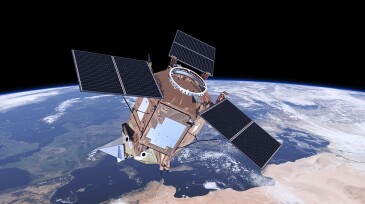
This article from the SPE Methane Technical Section features Arvind Ravikumar of the University of Texas at Austin and focuses on how the Energy Emissions Modeling and Data Lab is integrating satellite observations, facility-level measurements, operational data, and emissions inventories into more credible methane accounting for oil and gas systems.

The firm’s latest analysis puts the bulk of the blame on a fragmented supply chain.
-
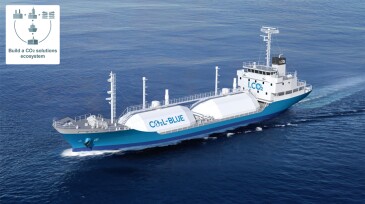
 The sites with the most CO2 emissions to capture are often far from the best rock to sequester it, leading to design projects for transport ships.
 -
A methane-quantification tool was developed by Petronas on the basis of applicable methane sources listed in guidelines produced by the Oil and Gas Climate Initiative.
-
At a time when there are many models vying to be the one used to evaluate and plan carbon storage sites, the US Department of Energy wants to test one developed by SPE members.
-
A critical challenge for those designing carbon dioxide storage sites is predicting where the injected gas will go. One of the only sure bets is to assume that any model of a gas plume that looks symmetrical is likely wrong.
-
Proposed energy projects needing US federal permits will come under increased scrutiny related to the scope and magnitude of potential emissions.
-
ADNOC lays out a $15-billion installment in its long-term plan to reduce its carbon footprint.
-
Satellite imaging of methane emissions offers the fossil fuel industry the empirical data it needs to fix problems that companies might not even know they have before the EPA starts to levy fines in 2024.
-
Oil and gas companies play important roles in the global push for energy security and carbon reduction. Here’s how they can excel at both.
-
The authors of this paper describe a three-way coupled modeling approach that integrates dynamic, geochemistry, and geomechanics models to obtain cumulative effects of all three changes to evaluate future carbon dioxide storage.
-
The authors of this paper investigate the risk of containment loss for a leaking well using a 1-sq-mile section of the Denver-Julesburg Basin.