HSE & Sustainability

This paper proposes a shift in the timing of risk modeling to much further back within the job lifecycle, recognizing each function’s role in the mitigation of risk.
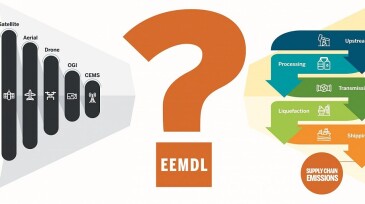
This article from the SPE Methane Technical Section features Arvind Ravikumar of the University of Texas at Austin and focuses on how the Energy Emissions Modeling and Data Lab is integrating satellite observations, facility-level measurements, operational data, and emissions inventories into more credible methane accounting for oil and gas systems.

The firm’s latest analysis puts the bulk of the blame on a fragmented supply chain.
-
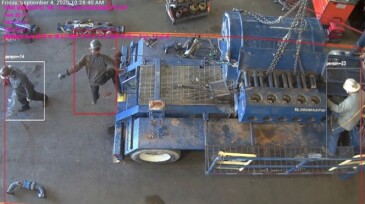
 Vision analytics is being used to extract insight information from video, with data inferred from existing cameras used to create a monitoring dashboard where supervisors can receive alerts at the worksite level or drill down to specific events.
 -
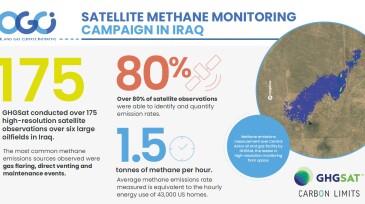
Industry consortium pilot project successfully demonstrates the significant potential of satellite technology in methane emissions detection and mitigation.
-
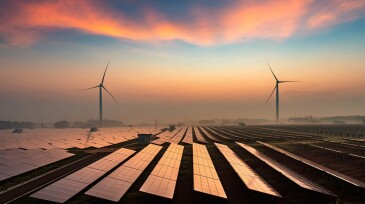
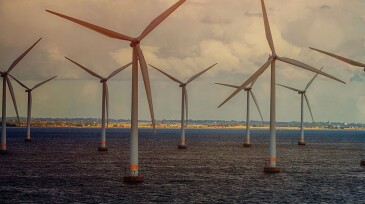
Spending on low-carbon projects will increase by $60 billion this year, 10% higher than 2022, led by wind developments but helped by a significant rise in funding for hydrogen and carbon capture, utilization and storage infrastructure, Rystad Energy research shows.
-
A big jump in the tax incentives offered for putting CO2 in the ground, hopefully forever, has set off a mad rush to sequester CO2. But is that really the best option?
-
Although 2022 did not match 2021’s record of over 19.5 GW of online capacity, 2022 witnessed the second highest amount of global online capacity with almost 8.5 GW. Final investment decisions (FIDs) were taken on over 11.5 GW of projects, making it the fourth highest year for FIDs.
-
The first step to ensuring the safety of oil and gas workers is to have a comprehensive safety program in place. This includes frequent employee training, detailed equipment inspections, and detailed safety procedures everyone follows.
-
The University of Texas at Austin will be home to a multidisciplinary research and education initiative, the Energy Emissions Modeling and Data Lab, which aims to address the growing need for accurate, timely, and clear accounting of greenhouse-gas emissions across global oil and natural gas supply chains.
-
With growing trade of liquefied natural gas (LNG), an increased diversification of LNG supply sources may occur in the LNG tanks as different compositions of LNG are stored in the tanks. It is the primary concern in terms of assuring stability and safety in LNG storage.
-
The past year has been a challenging one for companies on the ESG front. Overlapping environmental, social, and political crises—from flooding and wildfires to the first war in Europe in 80 years—have made the jobs of leaders that much harder.
-
California soon will have the largest oil drilling setbacks in the US. Experts say other states can learn from this move.