Inspection/maintenance

War‑related infrastructure damage is beginning to influence global energy supply chains in ways that could reshape project development and capacity growth.

Sulzer and JSIL are teaming up to provide the service for oil and gas, power generation, and industrial operations.

The deal includes Waygate’s inspection portfolios and is expected to close later this year.
-
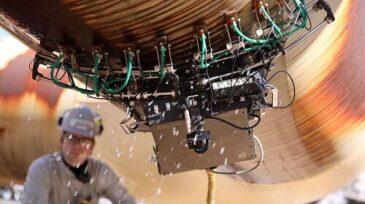
 Gecko Robotics is providing the energy industry with artificial-intelligence-enabled robots to inspect infrastructure and supply massive amounts of data to help predict failures before they occur.
 -
Material selection is a first line of defense against corrosion. This article reviews how to recognize pitting and crevice corrosion, as well as how to optimize tubing material selections for marine oil and gas applications based on the material’s PREN value.
-
The methodology is the industry’s first to address CUI. Along with DNV GL’s new technology, maintenance costs may be reduced by up to 50%.
-
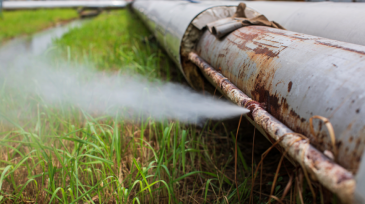
The largest oil and gas major in the US is calling for tighter rules around methane monitoring, wellhead venting, and the replacement of equipment components with “high-leak potential.”
-
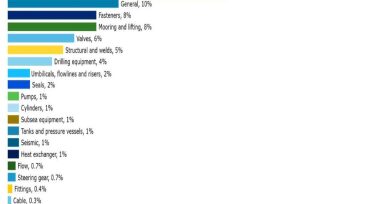
DNV GL researched over 1,000 failure cases to identify failure-prone components. The research is based on cases from its global network of labs.
-
Aker BP showcased the Spot robot recently. Spot will be part of the company's initiative that will explore how robotics systems can be used to make offshore operations safer.
-
The data-driven maintenance program incorporates riser condition, usage, and fatigue analysis with a risk-based inspection process.
-
As companies look to reduce the time it takes to inspect a subsea pipeline, as well as the costs involved in the operation, autonomous systems have become a more desirable option. How close are they to becoming the norm?
-
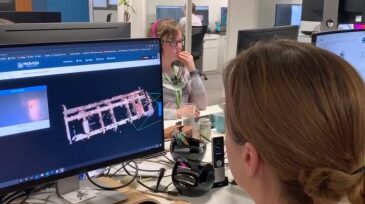
Rovco’s stereo camera technology system sends images and 3D models of assets from the seabed to computer browsers in any location, offering users instantaneous access to information during inspection or construction.
-
A proving ground for the use of digital twins has emerged in the North Sea. There, operators Total, Aker BP, and Shell have each developed and deployed twins that they expect to pay big dividends.