Inspection/maintenance

War‑related infrastructure damage is beginning to influence global energy supply chains in ways that could reshape project development and capacity growth.

Sulzer and JSIL are teaming up to provide the service for oil and gas, power generation, and industrial operations.

The deal includes Waygate’s inspection portfolios and is expected to close later this year.
-
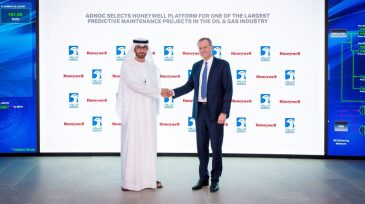
 ADNOC will utilize Honeywell’s asset monitoring and predictive analytics platform to improve asset efficiency and integrity across the operator’s upstream and downstream businesses.
 -
Equinor has chosen four suppliers for inspection services on all offshore installations on the Norwegian Continental Shelf and onshore plants in Norway. The frame agreements, estimated at $383 million, are scheduled to be signed soon.
-
Sensors, robots, and artificial intelligence have made their way into a number of areas within the industry, including pipeline inspections. Shell has begun to examine the innovative technologies that could shift the inspection paradigm.
-
The company used a maintenance optimization plan from Lloyd's Register for the centrifugal pumps and fire and gas detectors on a floating production, storage, and offloading vessel in the Norwegian Sea.
-
Risk-based inspection is based on sophisticated risk analysis which significantly decreases overheads and helps to avoid equipment failures or unnecessary shutdowns.
-
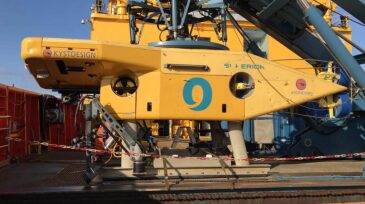
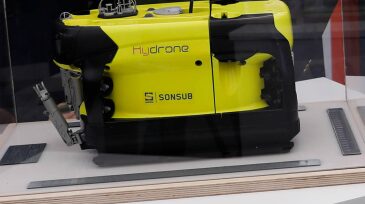
The $43-million deal with Saipem will utilize a wireless underwater intervention drone and an ROV for intervention work on the Njord field in the Norwegian North Sea. Equinor said the contract is the first ever from an operator for advanced wireless drone services.
-
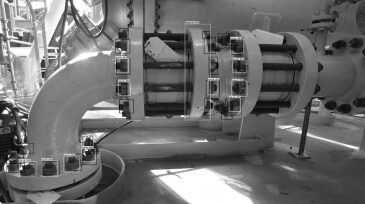
Using machine learning (ML), image recognition, and object detection, the use of ML on algorithms to recognize objects and describe their condition were investigated—offering new possibilities for performing inspection and data gathering to evaluate the technical condition of oil and gas assets.
-
As part of an effort to evaluate existing riser systems, an operator launched an inspection and testing program to investigate risers retrieved following well abandonment after a service life of nearly 10 years in the Gulf of Mexico.
-
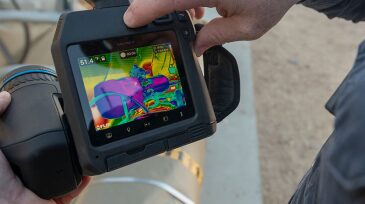
Thermal imaging helps operators maintain regulatory compliance on methane-emissions requirements. Optical gas imaging technology may be an answer in allowing for faster, more efficient inspections, but there are hurdles to its adoption. How can its widespread use become a reality?
-
Analytics, sensors, and robots are changing the way one of the world’s largest oil and gas companies does business. Underpinning all the new technology though is a shift in how BP thinks, and what it means to be a supermajor in the 21st century.