Inspection/maintenance

War‑related infrastructure damage is beginning to influence global energy supply chains in ways that could reshape project development and capacity growth.

Sulzer and JSIL are teaming up to provide the service for oil and gas, power generation, and industrial operations.

The deal includes Waygate’s inspection portfolios and is expected to close later this year.
-
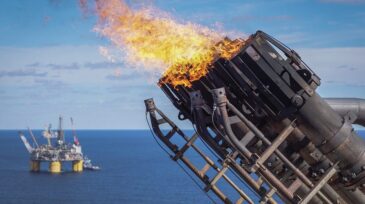
 During the last decade, the use of drones for industrial asset inspections has grown significantly. The ability to inspect in-service flares can eliminate millions of dollars of operational expenditure and mitigate safety risks presented by traditional access methods.
 -
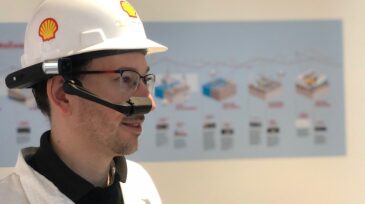
This digital deal is helping to make augmented reality a new reality for oil and gas operations.
-
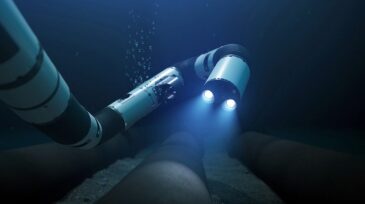
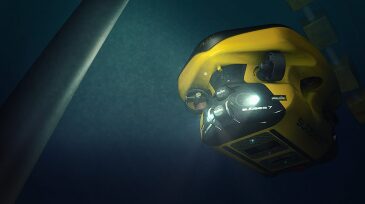
Called Eelume, the underwater drone will perform subsea inspection, maintenance, and repair work.
-
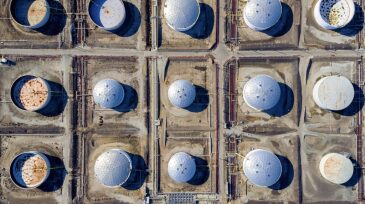
The need to optimize tank turnaround schedules is as great as it has ever been within the midstream sector, but traditional human-based tank inspections often cut into uptime while introducing safety risks. New robotic applications aim to alleviate these issues.
-
As we move to digitize our visual inspections with a variety of image-capture devices, fully understanding the strengths and limitations of the approach is important to move truly from a qualitative to a quantitative assessment with confidence.
-
Subsea inspection/repair/maintenance services have traditionally relied on vessel-based, ROV, or diver operations. In the longer term, identifying significant incremental savings in these operations is not sustainable and an innovative approach deploying digital technologies is being investigated.
-
This paper focuses on compressor systems associated with major production deferments. An advanced machine-learning approach is presented for determining anomalous behavior to predict a potential trip and probable root cause with sufficient warning to allow for intervention.
-
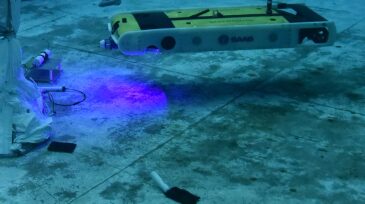
ROVs dominate the world of subsea inspections, maintenance, and repair, but as operators work in a post-downturn economy, autonomous systems have become more in demand. Autonomous inspections are possible today, but how can they help with light and heavy intervention?
-
Remote condition monitoring of offshore platform equipment tracks performance data, watching for deviations from baseline benchmarks. Unexpected variances can be investigated and serviced by technicians dispatched to target the root causes—an approach called condition-based maintenance.
-
Machine learning and artificial intelligence technology offer offshore operators the chance to automate high-cost, error-prone tasks to avoid the effects of inconsistency and errors in analysis, improving efficiencies and safety.