Inspection/maintenance

From AI-enabled walking rigs to subsea drones and autonomous inspection robots, robotics is rapidly moving from pilot projects to field deployment. The technology promises not only greater efficiency but also a fundamental shift in how the industry approaches safety and asset management.

This paper introduces in-pipe inspection technologies enabling high-resolution digital measurements of tubular internal diameter and wall thickness for critical downhole applications.
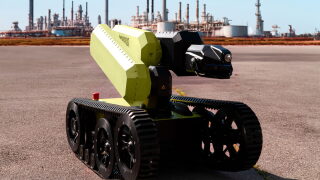
The deployment of a new heavy-duty robotic system aims to reduce workforce exposure to high-risk areas while improving detection of potential leaks.
-
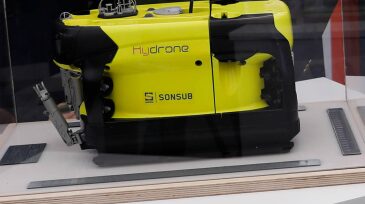
 The $43-million deal with Saipem will utilize a wireless underwater intervention drone and an ROV for intervention work on the Njord field in the Norwegian North Sea. Equinor said the contract is the first ever from an operator for advanced wireless drone services.
 -
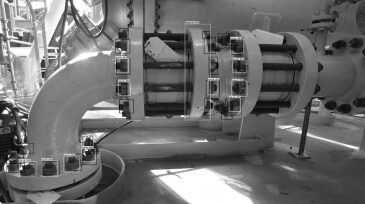
Using machine learning (ML), image recognition, and object detection, the use of ML on algorithms to recognize objects and describe their condition were investigated—offering new possibilities for performing inspection and data gathering to evaluate the technical condition of oil and gas assets.
-
As part of an effort to evaluate existing riser systems, an operator launched an inspection and testing program to investigate risers retrieved following well abandonment after a service life of nearly 10 years in the Gulf of Mexico.
-
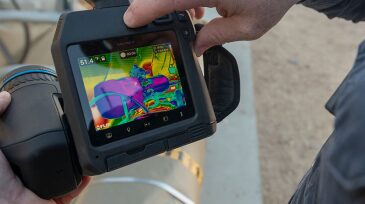
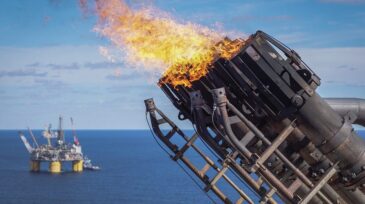
Thermal imaging helps operators maintain regulatory compliance on methane-emissions requirements. Optical gas imaging technology may be an answer in allowing for faster, more efficient inspections, but there are hurdles to its adoption. How can its widespread use become a reality?
-
Analytics, sensors, and robots are changing the way one of the world’s largest oil and gas companies does business. Underpinning all the new technology though is a shift in how BP thinks, and what it means to be a supermajor in the 21st century.
-
During the last decade, the use of drones for industrial asset inspections has grown significantly. The ability to inspect in-service flares can eliminate millions of dollars of operational expenditure and mitigate safety risks presented by traditional access methods.
-
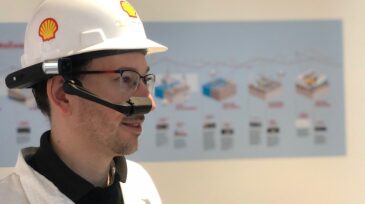
This digital deal is helping to make augmented reality a new reality for oil and gas operations.
-
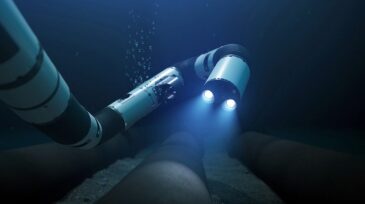
Called Eelume, the underwater drone will perform subsea inspection, maintenance, and repair work.
-
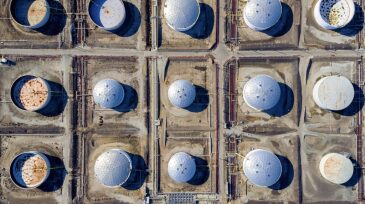
The need to optimize tank turnaround schedules is as great as it has ever been within the midstream sector, but traditional human-based tank inspections often cut into uptime while introducing safety risks. New robotic applications aim to alleviate these issues.
-
As we move to digitize our visual inspections with a variety of image-capture devices, fully understanding the strengths and limitations of the approach is important to move truly from a qualitative to a quantitative assessment with confidence.