

Inspection/maintenance

From AI-enabled walking rigs to subsea drones and autonomous inspection robots, robotics is rapidly moving from pilot projects to field deployment. The technology promises not only greater efficiency but also a fundamental shift in how the industry approaches safety and asset management.

This paper introduces in-pipe inspection technologies enabling high-resolution digital measurements of tubular internal diameter and wall thickness for critical downhole applications.
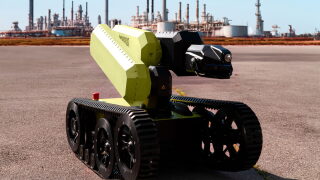
The deployment of a new heavy-duty robotic system aims to reduce workforce exposure to high-risk areas while improving detection of potential leaks.
-
 As subsea electric lines age, they are prone to cracks that allow seawater in, reducing their effectiveness, and if the leaks are bad enough, they can shut down operations.
 -
Low prices will constrain maintenance and modifications in the coming year. However, maintenance can only be delayed so long, leading to a long-term outlook of growth in the market for maintenance, modifications, and operations.
-
This paper describes the measures put in place so that the mooring system of the Gryphon Alpha FPSO could be replaced and reconnected on an efficient schedule.
-
There are few deepwater-pipeline operators with expertise in pipeline repairs. This paper describes a strategy developed and implemented on deepwater-pipeline intervention, based on a deepwater operational experience built over a decade.
-
Compared to the US industrial average downtime ranging from 3% to 5%, the oil and gas industry’s estimated downtime ranges from 5% to 10%,indicating that improvement is needed in reliability and maintenance of facilities, equipment, and processes.
-
Douglas-Westwood expects 8% growth in offshore operations and maintenance (O&M) expenditure annually from 2012 to 2016. O&M are markets considerably less vulnerable to downturn than their capital‑led counterparts.



Page 18 of 18