Inspection/maintenance

This paper introduces in-pipe inspection technologies enabling high-resolution digital measurements of tubular internal diameter and wall thickness for critical downhole applications.
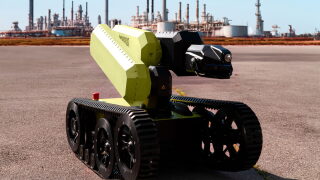
The deployment of a new heavy-duty robotic system aims to reduce workforce exposure to high-risk areas while improving detection of potential leaks.

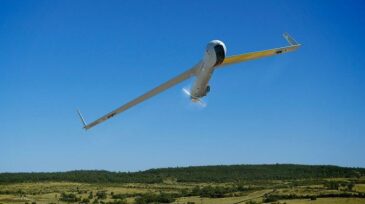
This paper explores the transformative effect of unmanned aerial systems on operational efficiency, safety, and emergency response within the Khurais oil fields in Saudi Arabia. By integrating sophisticated drone technology, improvements have been achieved in routine inspections, leak detection, and emergency scenarios.
-
 This paper focuses on compressor systems associated with major production deferments. An advanced machine-learning approach is presented for determining anomalous behavior to predict a potential trip and probable root cause with sufficient warning to allow for intervention.
 -
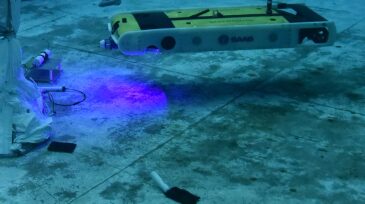
ROVs dominate the world of subsea inspections, maintenance, and repair, but as operators work in a post-downturn economy, autonomous systems have become more in demand. Autonomous inspections are possible today, but how can they help with light and heavy intervention?
-
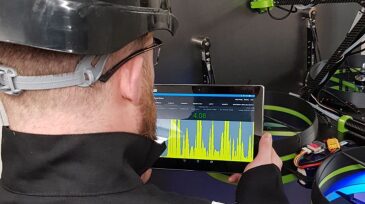
Remote condition monitoring of offshore platform equipment tracks performance data, watching for deviations from baseline benchmarks. Unexpected variances can be investigated and serviced by technicians dispatched to target the root causes—an approach called condition-based maintenance.
-
Machine learning and artificial intelligence technology offer offshore operators the chance to automate high-cost, error-prone tasks to avoid the effects of inconsistency and errors in analysis, improving efficiencies and safety.
-
As operators look for cost-efficient ways to address the challenges in facility maintenance and deepwater exploration, autonomous underwater vehicles are being developed for complex data gathering and advanced tasks.
-
Wearable computers are turning heads in the oil and gas industry and appear to be on a trajectory for widespread adoption.
-
Ground sensors on assets over a broad area have limited returns on investment if the asset life cycle is less than 10 years, and obsolescence of the technology if it exceeds 10 years. Complementing sensors with aerial remote sensing at scale may help to mitigate these issues.
-
BHGE opened its largest Customer Solutions Center globally for its inspection technologies business.
-
Advanced AUVs with early-stage technologies for live streaming, ultrasonic testing, and 3D laser scanning are set to enter inspection trials on North Sea facilities. The aim is to reduce facilities inspection costs by 50%.
-
An 18-month project will develop and trial a mobile robot for autonomous operational inspection of Total facilities.