LNG

Shell has reached FID on LNG Canada Phase 2, a major expansion that will double the Kitimat facility’s LNG export capacity to 28 mtpa and strengthen long-term supply to growing Asian markets.
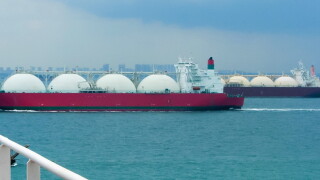
Increased capacity from new terminals and expansions drove up exports of liquefied natural gas at the quickest rate since 2016.
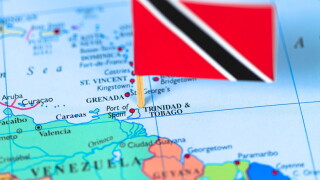
While discussions on the commercial terms for gas sales continue, the release of the jackup rig intended to drill production wells calls into question Shell’s plans for first gas in 2027.
-
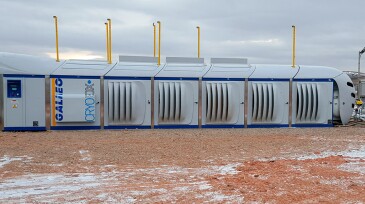
 H&P pumps $33 million into LNG firm Galileo Technologies, supporting technology focused on decarbonization of the energy supply chain.
 -
As Europe’s second-largest LNG hub after Spain, the UK promises to play a near-term role as an “energy bridge” to ease the EU’s dependence on Russian energy, given that the UK can ship regasified product directly to the continent via subsea pipeline.
-
Forecast increased demand for natural gas globally will keep new US liquefaction projects and additional proposals moving forward.
-
The price of natural gas always drops when winter weather ends, but maybe not this year.
-
South Africa’s Sasol has nixed plans to invest in the proposed African Renaissance Pipeline, opting instead to import LNG by tanker from Mozambique where TotalEnergies, Eni, and ExxonMobil are developing projects.
-
Giant gas project off Australia had been idle since last December.
-
QatarEnergy is farming into ExxonMobil’s North Marakia deepwater exploration project offshore Egypt as it further grows its position in the East Med and a share of possible future gas sales to Europe.
-
The US oil and gas company's exit from Russia amid the ongoing military conflict freezes the Russian Far East LNG project and cripples Rosneft’s ambitions to become a competitive global LNG supplier.
-
The three papers selected for this Tech Focus feature describe technologies that can make natural gas safer to move and store.
-
The authors describe a process study to identify the potential causes of flaring during LNG offtake and corrective measures to accomplish zero flaring without capital plant modification.