

LNG

Argentina’s President Javier Milei met with TotalEnergies CEO Patrick Pouyanné and Eni CEO Claudio Descalzi in Paris to discuss Argentina’s energy sector, including projects linked to the Vaca Muerta shale formation and the development of the Argentina LNG export project.

Shell has reached FID on LNG Canada Phase 2, a major expansion that will double the Kitimat facility’s LNG export capacity to 28 mtpa and strengthen long-term supply to growing Asian markets.
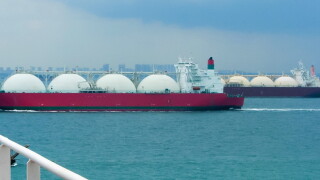
Increased capacity from new terminals and expansions drove up exports of liquefied natural gas at the quickest rate since 2016.
-
 While discussions on the commercial terms for gas sales continue, the release of the jackup rig intended to drill production wells calls into question Shell’s plans for first gas in 2027.
 -
With a strong presence across US shale in the Bakken, Anadarko Basin, Powder River Basin, and the Permian, Continental Resources is expanding into Argentina’s Vaca Muerta shale as the privately held E&P giant pursues international growth.
-
ExxonMobil and its Area 4 partners have awarded $1.1 billion in pre-investment contracts for long-lead upstream equipment supporting Mozambique's Rovuma LNG project. The awards, led by OneSubsea, mark a key step toward FID as development advances on ExxonMobil's largest global investment.
-
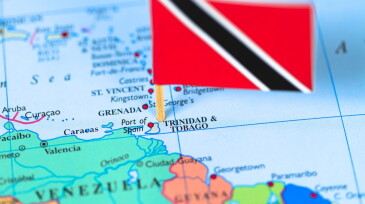
The sale of Woodside’s Calypso stake to BP completes the company’s withdrawal from Trinidad and Tobago after decades of operations in the country.
-
ExxonMobil’s Letter of Intent to begin preliminary engineering and procurement work for Mozambique’s Rovuma LNG project bridges the development to a final EPC contract, which Area 4 partners are expected to award following an FID anticipated by year-end 2026.
-
Williams' acquisition of Momentum Midstream creates a larger, more connected Gulf Coast gas network capable of meeting surging demand from LNG export facilities, power generators, and industrial users.
-
As 50-50 joint venture partners in Arrow Energy, the operator of the Surat Gas Project, Shell and PetroChina will share the AUD 713 million (USD 501 million) cost of Phase 3.
-
This paper presents an autonomous, data-driven solution designed specifically for intermittent well optimization.
-
This work evaluates CO2-based fracturing as a sustainable development approach for shale gas reservoirs in the Burgos Basin of Mexico.
-
This paper describes an autonomous inflow-control technology for gas wells developed to detect and choke unwanted water production autonomously while allowing gas and condensate production.




Page 1 of 57