Asset Management

Sulzer and JSIL are teaming up to provide the service for oil and gas, power generation, and industrial operations.

The deal includes Waygate’s inspection portfolios and is expected to close later this year.

An asset swap with PDVSA helps consolidate the supermajor’s heavy-oil operations in the country.
-
 Recent decisions by US market regulators reflect growing pressure on the largest US oil producers to back up emissions targets with more detailed strategies through disclosures.
 -
As clean energy technology gains ground, a new energy security concern is taking center stage. Where once national security officials watched oil supplies, they are now tracking the production of minerals such as cobalt, indium, and neodymium used in the manufacturing of batteries, solar panels, and wind turbines.
-
ExxonMobil submitted a proposal to Colombian authorities to develop a hydraulic fracturing pilot project in the Magdalena Basin. Colombia wants to drastically raise its declining reserves-to-production ratio by tapping into shale.
-
The Energy Council, a London-based networking platform, has released a survey of its 100,000 members suggesting that the finance and investment community has money and an appetite to continue to fund E&P exploration, particularly in gas.
-
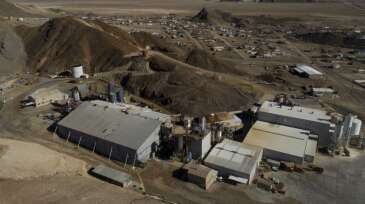
The NeoLith pilot plant is on track to begin operations before the end of the year.
-
As the saying goes, the future is now. This is certainly the case offshore Norway, which represents one of the industry’s most influential test beds for impactful innovation.
-
The Mexican state oil company believes it has found a new oil field on par with past billion-bbl finds.
-
Added assets raise its Delaware Basin daily disposal capacity to more than half a million barrels.
-
Russia’s largest oil company is moving quickly to shed underperforming brownfield assets to raise capital and transform itself into a major LNG player this decade. The state-owned giant is making the move as natural gas positions itself for a growing role in the energy transition.
-
The filing is part of a plan to restructure the DJ Basin operator while completing a previously signed merger agreement.