Asset Management

The Society’s archive of technical papers, maps, figures, and geological data sets will be integrated into the GIX platform, enabling geoscientists to query AI agents about exploration opportunities within specific geographic regions while combining historical research with public data, proprietary information, and advanced analytics.

With $9.6 billion in assets in the market, the focus is shifting from who is exiting Southeast Asia to who is positioning for entry through acquisition, according to Rystad Energy.

Despite significant progress in capturing associated gas for domestic use, Iraq remains the world’s third-largest gas-flaring country as it aims for higher oil and gas production targets.
-
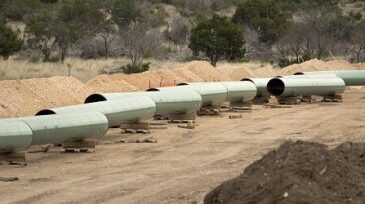
 Enterprise Products Partners publicly acknowledged the deep slump in pipeline demand out of the Permian Basin by canceling a project at a time when most producers have been quietly postponing US projects.
 -
The brain is adaptive and can change in both physical and functional forms. This phenomenon is called neuroplasticity. Understanding this neuroplasticity can lead to understanding how people can be happier, more engaged, and more productive at work.
-
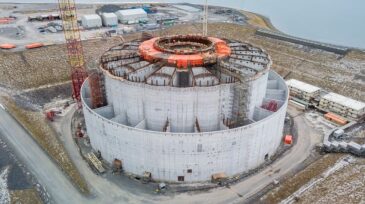
Facing a minimum 1-year delay to startup, Husky Energy discussed the West White Rose extension project’s challenges and risks with Canadian local and federal governments. Cancellation is a possibility, according to a Husky executive.
-
As the company aims to become carbon net zero by 2050, it is undertaking a three-pronged approach focused on transforming its core, investing for growth, and positioning for the future.
-
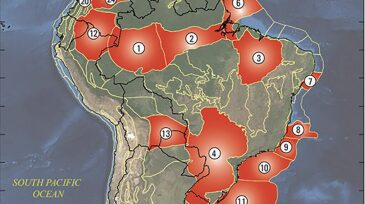
The acquisition and divesture deal includes large-interest positions in nine offshore exploration blocks, several of which Shell may become the operator of.
-
The latest updates on the North American shale sector’s efforts to consolidate and restructure.
-
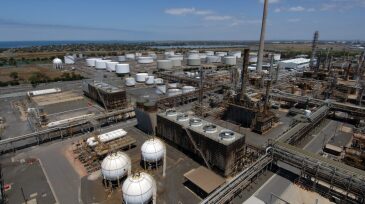
Company cites COVID-19-driven decline in fuel demand in move following announcement of Australian layoff plan as latest cost-cutting measure.
-
Unlike shale, deepwater plays—which are highly front-loaded investments with long project cycles—will be least affected by the current round of severe investment reductions. Large offshore plays in safer regions have become essential elements of the core business of large oil and gas players.
-
Unconventional producers around the world have been hamstrung by expensive and cumbersome options when it comes to obtaining reservoir data. Among the latest ways to break past these barriers is a new method developed by Canadian researchers and field tested in Australia’s unconventional frontier.
-
In the first half of 2020, Canada’s production declined 20% from its 2019 average of 5.5 million B/D as a result of low crude oil prices, reduced demand, and continued production curtailments imposed by the government of Alberta.