Asset Management

This paper presents a flexible, highly cost- and energy-efficient method of gas separation and CO₂ capture from many different gas mixtures with a large range of CO₂ concentrations.

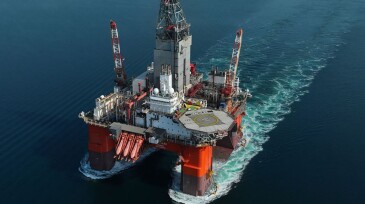
This work introduces a novel predictive methodology combining historical metocean data with real-time riser analysis for shallow water dynamically positioned rig operations.

This study explores the carbon-capture and mineralization potential of ultramafic rock powders when exposed to flue gases generated from combustion of crude oil and mesquite-derived charcoal.
-
 The world of artificial lift has witnessed a remarkable revolution over the past 25 years, with many of the events and technology trends recorded in the Journal of Petroleum Technology.
 -
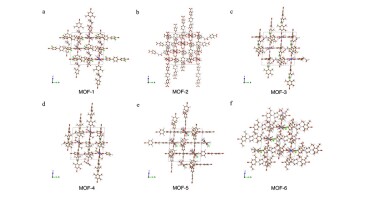
Artificial intelligence is increasingly being used to assist in the development of materials, including metal-organic frameworks (MOFs), to advance carbon capture technologies. Researchers assembled more than 120,000 new MOF candidates within 30 minutes.
-
Longtime leaders in artificial lift discuss and share their insights on the rapidly evolving segment’s past, present, and future.
-
There will always be a need for good artificial lift engineers. So, what should the next generation of its professionals be trying to pursue?
-
Early adopters of large language models praise the technology’s promise to advance upstream research and software development while also offering cautionary notes.
-
Slickline-Deployed Fiber-Optic Cable Provides First Production Profile for High-Temperature Gas WellThis paper describes a case study in which, in the absence of a conventional production log, distributed fiber-optic sensing, in conjunction with shut-in temperature measurements, provided a viable method to derive inflow zonal distribution.
-
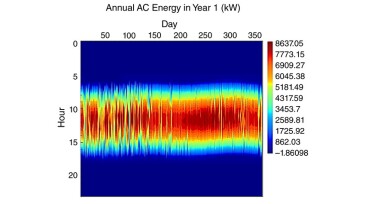
This paper aims to analyze the relevance of wind and solar energy for the supply of artificial lift systems on offshore platforms in the Brazilian equatorial region.
-
Updates about global exploration and production activities and developments.
-
This paper provides insights into the technical and economic viability of repurposing oil and gas wells for geothermal energy production for direct heating.
-
This paper discusses and evaluates retrofitting abandoned petroleum wells for geothermal applications as a commonly proposed solution to meet the challenge of the capital expenditure required for drilling and completion.