Oilfield chemistry

The transition away from materials that contain per- and polyfluoroalkyl substances (PFAS), co-called forever chemicals, creates an opportunity to preserve historical information. Information that appears to have little operational value today may later become important when organizations need to evaluate past PFAS use. Once that information is lost, recreating it may…

This paper presents the application of degradable particulate-diverter technology to improve oil production by effectively diverting stimulation treatment fluids away from high-water-cut, high-permeability, high-temperature producing intervals or zones.

This paper presents the methodology for developing drill-in organophilic clay-free invert-emulsion-fluid technology that enhances well production through fundamental geological studies and fluid testing.
-
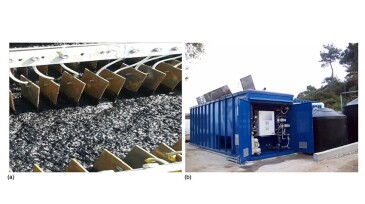
 The paper aims to address the challenges and opportunities in managing produced water and its contaminants in the petroleum industry.
-
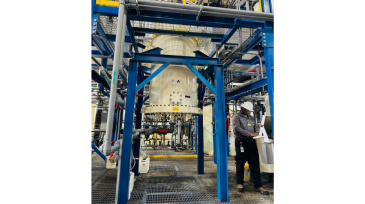
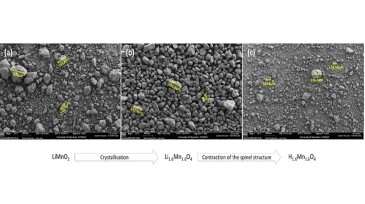
The USGS has said up to 19 million tons of lithium resource is contained in the briny waters of the Smackover formation in Arkansas.
-
This study explores the potential of locally produced surfactants for enhanced oil recovery in high-temperature and high-salinity reservoir environments.
-
Machine learning and a decade of gas composition records helped the operator identify wells that were most likely to produce paraffins.
-
This first of a two-part series provides guidelines for designing and operating advanced produced-water systems on offshore platforms, covering fluid characterization, chemical treatment, equipment, process configuration, operations, and effluent quality.
-
This paper presents an evaluation of the lithium potential of assets in the North Sea.
-
This study aims to optimize the use of rhamnolipid biosurfactants for enhancing the bioremediation of hydrocarbon-contaminated soil.
-
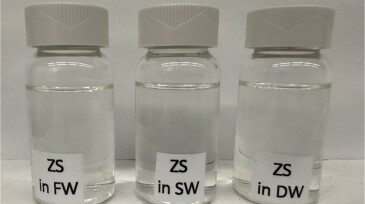
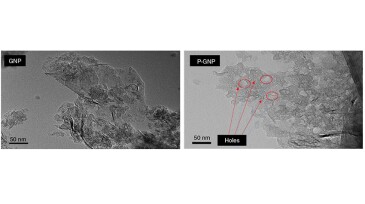
This study proposes graphene nanoplatelets as a preflush system to extend the lifetime of a conventional scale-inhibitor squeeze treatment.
-
The process developed by Moscow’s Skolkovo Institute of Science and Technology shows promising results in the laboratory, suggesting a novel method to produce hydrogen from natural gas reservoirs while trapping carbon in permanent storage.
-
The honor recognizes recipients for their lasting and significant contributions in the field of IOR.