Onshore/Offshore Facilities

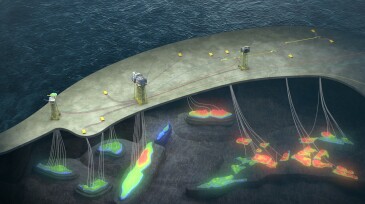
In the fourth development phase, a planned tieback would connect resources from two North Sea discoveries to existing infrastructure at the Johan Sverdrup field, pending project sanction.

Five agreements target more than 11 Tcf of offshore gas and include flare-reduction technology.
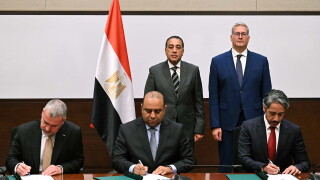
ExxonMobil and QatarEnergy’s MoU with Cairo to monetize Cyprus’ offshore Glaucus and Pegasus natural gas supports Egypt’s strategy to become the Eastern Mediterranean’s leading gas processing and LNG export hub.
-
 The offshore industry is actively embracing a digital-first, low-carbon future, supported by scalable demonstrators, intelligent systems, and integrated engineering approaches now entering precommercial or early-deployment stages.
 -
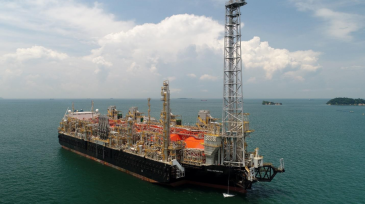
The floating liquefied natural gas ship Hilli Episeyo, currently offshore Cameroon, is planned for upgrades before redeployment to Argentina.
-
As a champion of floating natural gas liquefaction technology, Eni is positioning itself to play a major role in Africa with a fast-growing gas-liquefaction capacity targeted to reach 14 million tonnes per year by 2028.
-
The initial phase of the carbon capture and storage project has a capacity of 1.5 million tonnes per year, with a second phase—due online in 2028—expected to bring the storage capacity to 5 million tonnes per year.
-
The operator estimates discovering more than 96 million BOE of recoverable volumes with its latest Norwegian North Sea exploration activity.
-
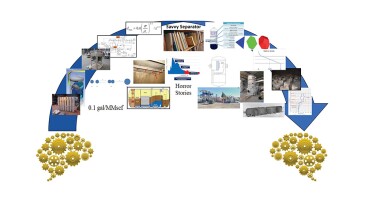
In this final installment of the Savvy Separator Series (No. 23), the authors present a curated collection of recommended references, articles, and other key resources—a comprehensive guide worth reading, bookmarking, and keeping in your library.
-
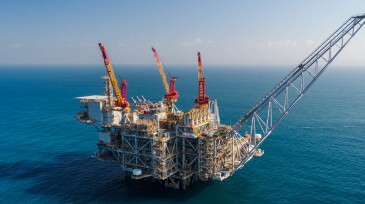
NewMed has targeted the fourth quarter of 2025 to declare a final investment decision (FID) on Phase 1B of the Chevron-operated Leviathan gas project expansion after striking Israel’s largest ever gas export deal.
-
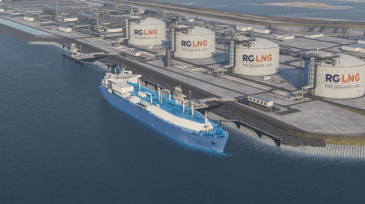
TotalEnergies, Global Infrastructure Partners, and NextDecade divvy up Train 4 stakes ahead of an expected FID in September.
-
The Japanese company ratcheted up the competitive nature of contracting for a floating production, storage, and offloading vessel and an onshore liquefied natural gas plant for the Abadi project by announcing dual front-end engineering design (FEED) contracts.
-
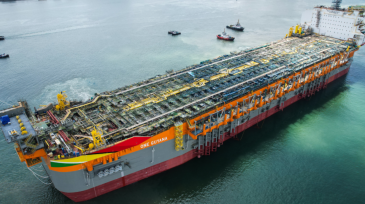
Deepwater Yellowtail project, onstream 4 months ahead of schedule, is expected to produce an average of 250,000 BOPD.