Onshore/Offshore Facilities

This paper presents a flexible, highly cost- and energy-efficient method of gas separation and CO₂ capture from many different gas mixtures with a large range of CO₂ concentrations.

This work introduces a novel predictive methodology combining historical metocean data with real-time riser analysis for shallow water dynamically positioned rig operations.

This paper documents the testing, integration, and field deployment of a metal expandable packer used as an openhole toe isolation plug in a deepwater well under high-pressure, high-temperature conditions.
-
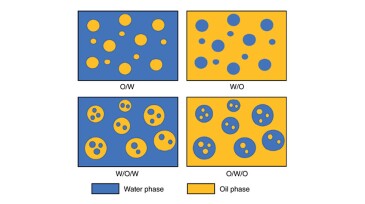
 This study presents the development of a novel modeling tool designed to predict condensate emulsions, focusing on key factors causing emulsions such as pH, solid content, asphaltene concentration, droplet size, and organic acids.
 -
This study explores enhancing gas production through a novel combination of prestimulation using a coiled tubing unit and high-rate matrix acidizing.
-
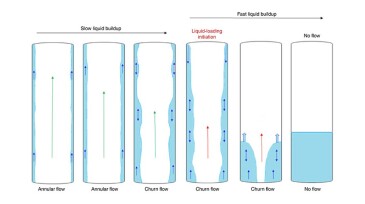
This work introduces a fast, methodical approach to detect liquid loading using easily available field data while avoiding traditional assumptions and to determine critical gas rates directly from field data.
-
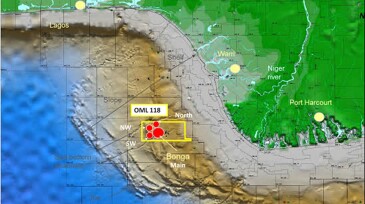
This paper discusses the journey of the Bonga North project, highlighting challenges and resolution strategies in a constantly changing deepwater environment.
-
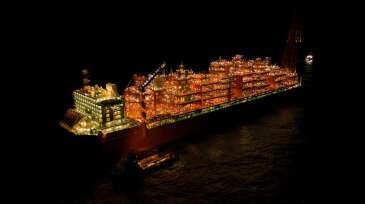
Rystad Energy reports that developers are increasingly turning to floating LNG to reduce costs and accelerate project timelines in response to growing gas demand.
-
Almost all rigs, platforms, and vessels have some form of cellular mobile services, fiber, or even microwave transmission. Nevertheless, all these vessels and assets are equipped with satellite connectivity capabilities.
-
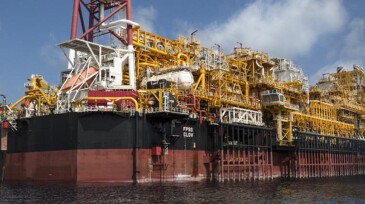
The Begonia and CLOV Phase 3 subsea tiebacks are each sending production to nearby FPSOs.
-
The China National Offshore Oil Corporation said it plans to use water injection, steam huff ’n’ puff, and steamflooding to produce the heavy oil field, with peak production expected in 2026.
-
With the right internal modifications, traditional degassers can be enhanced with gas flotation for improved oily water separation. This article outlines key design considerations—including inlet and settling zones, skimming, and solids handling. Two case studies highlight lessons learned in troubleshooting and revamping degasser designs.
-
Work by researchers at the University of Saskatchewan aims to advance the understanding of clathrate hydrates, crystal cages of ice that can trap gas and liquids.