

Onshore/Offshore Facilities

Equinor and its partners’ investment in the Troll West Increased Gas Recovery North (TWIN) project aims to unlock around 11 Bcm of additional natural gas from the Troll field, with first production targeted as early as 2028.

The US supermajor will use Permian Basin natural gas to support the hyperscaler’s AI business.

The Coral Norte FLNG is to be the mirror image of the Coral Sul unit, which shipped its first cargo in 2022 after it was put into service in Area 4 offshore Mozambique.
-
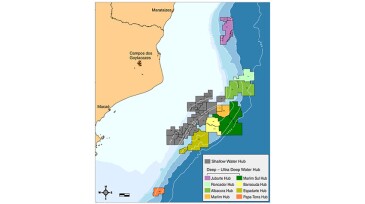
 This paper presents an overview of the operator’s Marlim and Voador fields revitalization project, highlighting features and main achievements in the context of Campos Basin redevelopment.
 -
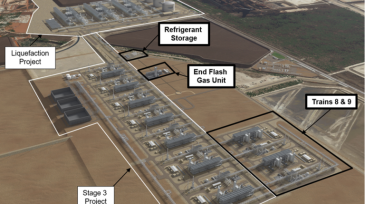
Train 1 of the Corpus Christi LNG Stage 3 project is expected to reach substantial completion during the first quarter of 2025.
-
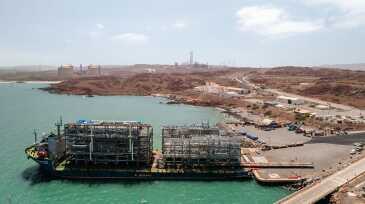
The Scarborough Energy Project is on track to start delivering liquefied natural gas in 2026.
-
Australia’s Ichthys LNG facility will provide feedstock, along with production from legacy Japanese gas fields that will also serve as repositories for CO2 storage.
-
After being a non-factor in the energy industry for years, the country is now one of the fastest growing regions.
-
The planned use of an uncrewed surface vessel to inspect shallow-water infrastructure for Petrobras follows a previous remote operation survey for the operator.
-
First oil from Beacon Offshore’s Shenandoah is on track for the second quarter of 2025. Project partners also have sanctioned a second phase of development and are advancing plans for a related project.
-
Arcius’ remit covers the Shorouk concession, home to the Zohr gas field whose production decline has been fueled by a lack of investment.
-
Deepwater subsea tieback expected online by the end of the decade, targeting more than 300 million BOE.
-
The latest phase of the Sureflex Joint Industry Project, which dates back almost 30 years, provides data-driven industry guidance relating to unbonded flexible-pipe population and damage/failure statistics, integrity management, and good practice.





![2024 SPE online article - DRAFT[4]](https://assets.spe.org/dims4/default/737227f/2147483647/strip/true/crop/850x475+0+24/resize/365x204!/quality/90/?url=http%3A%2F%2Fspe-brightspot.s3.us-east-2.amazonaws.com%2F01%2Ff6%2Fb115cfe34bbd863f2f35f13e9293%2Fhero-sureflex.jpg)